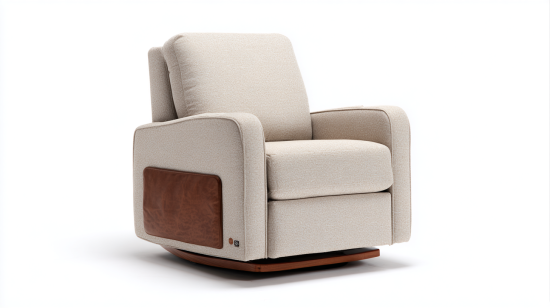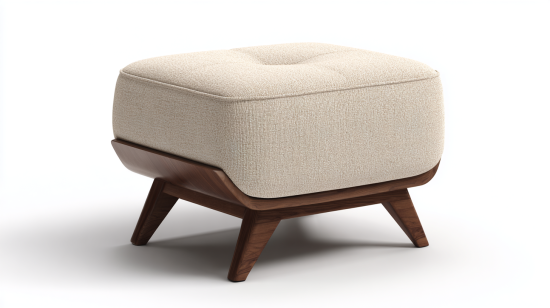


Tiita Lazy Chair with Ottoman, Modern Large Accent Lounge Chair, Leisure Sofa Armchair with Ottoman, Reading Chairs with Footrest for Bedroom, Living Room, Dorm Rooms, Garden
- Strong and High-quality Living Room Chairs: Our lazy chair with ottoman is made of sturdy rust-proof pipe steel frame and soft PP cotton. This makes our lounge chair can be used for a long time without rust and has a longer service life. Heavy-duty steel pipes can prevent chair from deformation or dent. This comfy chairs for living room can hold up to 400 pounds. Besides, We have designed a protective padded cushion under the chair to reduce a certain amount of wear.
- Comfy Accent Chairs with Ottoman: Our modern lounge accent chair with armrests and a side pocket which can hold your mobile phone, newspapers, books, etc. and it comes with a footrest on which you can rest your legs for an extremely comfortable seating experience which brings convenience to everyone. Furthermore, the footrest serves a dual purpose by also functioning as an extra stool for additional seating when required. When not in use, ottoman can be easily folded up for convenient storage.
- Spacious Size of Velvet Fabric Armchair with Ottoman: 28.5″L x 25.5″W x 37.4″H. This size can easily accommodate an adult. It is big enough to have enough space to relax and stretch and enjoy full relaxation. Moreover, the comfortable headrest provides excellent support for your head.
- Easy to Assemble Accent Chairs: The leisure chair has a simple structure, following the detailed and illustrated manual guidance, just need to put several parts together, requiring no screws or nuts. And the straps on the inside of the cover can be tied around the legs of the accent chair for a better hold.
- Versatile Use of Recliners for Small Spaces: Add a fun, cozy touch to living room, bedroom, or balcony, dorm rooms, lofts, reading nooks and more with this comfy seat. Also it can provide a convenient place for friends or family to sit with this ultra-cozy and comfy sofa chair. The lounge chair isn’t just for adults to relax in – it’s great lazy chair for kids and teens. You can even put your pet on a chair to accompany you.
- Cleaning Instructions: The seat cushion can be hand-washed or machine-washed. Once the cushion is completely dry, it should be fluffed and then reinstalled onto the chair. Plus, Our lazy chair comes with a 3-year quality guarantee. If you have any product-related inquiries, please reach out to us, and we’ll respond within 12 hours to assist you until the issue is resolved.
$109.99

Upholstered Accent Chair Mid Century Modern Comfy Lvliving Room Bedroom Office Balcony Pottery Barn Accent Chairs Set of 2 with Solid Wood Frame Arm Reading Chair for Living Room Bedroom Beige
- STURDY SOLID WOOD CONSTRUCTION – Crafted with a premium rubberwood frame, this pottery barn accent chair offers long-lasting durability and a stable seating experience. Its natural wood texture adds a refined touch, making it a standout piece among living room chairs for both classic and modern homes.
- ERGONOMIC HIGH-BACK SUPPORT – Designed with a tall backrest and curved armrests, this comfy reading chair relieves pressure on the spine and shoulders during long sitting sessions. Ideal as a supportive modern accent chair for home offices or study nooks.
- MID-CENTURY AESTHETIC APPEAL – Featuring clean lines and tapered legs, this chair adds instant charm to any mid century modern décor layout. Whether styled solo or as accent chairs for living room bedroom Office, it delivers visual balance without overwhelming the space.
- VERSATILE MULTI-SCENE FUNCTIONALITY – More than just a reading chair, it fits perfectly in apartments, dorms, studios, or entryways. Use it as a guest seat, relaxation spot, or stylish crate and barrel accent chair alternative without compromising comfort.
- HASSLE-FREE ASSEMBLY EXPERIENCE – Comes with clear visual instructions and simplified hardware, allowing even beginners to assemble quickly. No extra tools required, ensuring your accent chairs for living room bedroom Office are ready with zero frustration.
$119.99

CHITA Braid Accent Chair, Modern Armchair with Solid Wooden Armrest for Living Room and Bedroom, Boho Reading Chair, Cream
- Braid Chair with a Boho Vibe – Featuring angled armrests braided with paper cord, a nod to timeless bamboo design patterns, this chair infuses indoor spaces with a refreshing, natural ambiance. The chair’s design ensures enduring comfort, thanks to the plush back cushion paired with a medium high backrest. It is a versatile addition to any living space and is perfect for beach house, deftly bridging the gap between outdoor charm and indoor luxury.
- Sturdy Construction & Certified Materials – Frame is expertly crafted from solid engineered wood and hard wood. All wood is kiln-dried for added durability. Synthetic webbing suspension and premium high-density foam topped with polyester fiber offer comfort and durability.
- Comfort Seat cushion – Seat cushion is padded with high-density dense foam and topped with a soft blend of fiber to offer unparalleled comfort. On a scale from 1 to 5 (5 being firmest), it’s a 3. Back cushion is removable and reversible.
- Overall Product Dimension – 33.1”D x 26.4”W x 35.4”H. Seat Dimension: 20.5”D x 22.8”W x 18.5”H. Weight capacity: 300 lbs.
- After-sales – If you have any questions, please contact our professional customer support team. We will give you a satisfactory solution.
- Assembly required – (Proper assembly of this item requires 2 people). Box dimension: 34.6” x 31.5” x 15”. Minimum door width: 17”.
$349.99

Karl home Accent Chair Wide Armrest Mid-Century Lounge Chair Linen Fabric Armchair with Lumbar Pillow & Solid Wood Frame for Living Room, Bedroom, Balcony, Beige
- Mid-Century Charm – This lounge chair has a mid-century charm with its extra pillows, widened arms, and flared legs. The beige color of the fabric complements the walnut color of the frame, which will fit in with any of your home decor styles.
- Humanized Design – The ergonomic angles of the backrest and armrests are designed to give you good relaxation when you sit down and put on your arms. Comfortable linen fabric with a high-density sponge inside, sufficient back support, and a solid wood frame bring maximum comfort.
- High-Quality Materials – This cozy chair adopts a solid wood frame, and sturdy structure, and can bear up to 330 lbs. The seat cushion is made of high-density sponge and breathable linen fabric, comfortable and skin-friendly.
- Widely Used – It is a leisure sofa, giving you a more comfortable place to watch videos, play games, read books, or just relax in front of the fireplace. Performs well in the living room, bedroom, balcony, porch, or other places you like.
- Buy with Confidence – Overall dimensions are 28.3″L x 31.5″W x 29.5″H. Just follow the assembly steps and you’ll have your chair assembled before you know it. Please note that color may be different due to different monitors (different displays, color differences are not avoidable)
$130.99

INZOY Mid Century Modern Accent Chair with Wood Frame, Upholstered Reading Armchair with Waist Cushion, Double Padded Accent Chair, Side Chair for Living Room Bedroom Office, Easy Assembly, Green
- 【Visual Appeal】- The wave-shaped backrest creates a sense of movement and sophistication, which adds an artistic touch that can enhance the overall ambiance of a space. Furthermore, it’s also ergonomically shaped to contour with the natural curve of the spine, providing excellent support and comfort. This makes the accent chair ideal for extended periods of sitting, whether you’re reading, working, or relaxing.
- 【Comfortable Seat & Waist Pillow】- The seat and back are filled with high-density sponge, which is very soft to sit. Just imagine, after finishing tired day’s work, you sit in a soft chair and hold a pillow in your arms, for napping or reading or playing mobile, what a pleasure it is?
- 【Perfect Size & Sturdy Structure】-The Overall size of accent chairs is 26″(W) x 31″(D) x 32″(H). The seat size is 23″(W) x 22″(D). Constructed with a robust wood frame, this accent chair offers stability and durability. The upholstery is a high-quality fabric that is both soft to the touch and easy to maintain, ensuring long-lasting use.
- 【Easy to Assemble】-All of our packages come with an installation guide with detailed instructions for each component. No additional tools are required and can be easily accomplished even by non-professionals. If you encounter any problems during the assembly process, we are here to help you.
- 【One Year Warranty】- INZOY provides free exchange for installation problems, damaged and missing parts with 1-year warranty guarantee, feel free to contact us for any purchase. We provide helpful, prompt and friendly customer service at your disposal.
$149.99
How I Finally Found My Perfect Corner Companion and Transformed My Personal Sanctuary
I’ll never forget the day I realized my bedroom was missing something crucial. There I was, balancing precariously on the edge of my bed, trying to pull on my socks while my coffee teetered dangerously on the nightstand. My clothes were draped over a sad pile on the floor, and I had nowhere comfortable to sit and read without propping myself up with seventeen pillows. That’s when it hit me: I desperately needed a bedroom chair.
What started as a simple shopping mission quickly spiraled into an unexpectedly complex adventure through the world of furniture design, ergonomics, and interior styling. I spent weeks researching, testing, and yes, making a few regrettable purchases before finally cracking the code. Now, I’m sharing everything I learned so you don’t have to make the same mistakes I did.
What Is the Best Type of Chair for a Bedroom?
Here’s the truth I wish someone had told me from the start: there’s no universal “best” bedroom chair. I know, I know—that’s not what you wanted to hear. But stick with me, because this realization actually makes your decision easier, not harder.
The best type of chair for your bedroom depends entirely on how you’ll actually use it. This became crystal clear to me after I impulse-bought a gorgeous velvet slipper chair that looked absolutely stunning but turned out to be completely useless for my needs. I’m a morning person who likes to sit and plan my day with coffee, and that backless wonder left me hunched over like Quasimodo within minutes.
Through my trial and error, I discovered that bedroom chairs generally fall into several categories, each serving different purposes. There are accent chairs, which are primarily decorative but still functional. I found these work beautifully if you mainly need somewhere to toss your outfit for tomorrow or occasionally perch while putting on shoes. Then there are reading chairs—deeper, more cushioned affairs that cradle you for longer periods. These became my obsession once I realized how many nights I’d rather read in a cozy corner than in bed.
I also explored vanity chairs, which are lower to the ground and pair with dressing tables, and occasional chairs, which are lightweight and moveable. The rocking chair category deserves special mention too, especially if you’re looking for something with a calming, meditative quality. After testing various styles in friends’ homes and furniture showrooms, I realized that the perfect bedroom chair balances aesthetics with your specific lifestyle needs.
How to Choose the Perfect Bedroom Chair?
This is where I really had to do some soul-searching. Choosing the perfect bedroom chair isn’t just about scrolling through Pinterest and clicking “add to cart” on whatever makes your heart flutter. Trust me, I tried that approach and ended up with three chairs in storage.
First, I created what I call my bedroom chair manifesto—a brutally honest list of how I’d actually use this piece of furniture. Would it be my morning meditation spot? A place to video call my sister? Somewhere to read murder mysteries until 2 AM? Your honest answers to these questions will guide everything else.
I measured my available space obsessively, and I mean obsessively. I used painter’s tape to mark out different footprints on my floor and lived with them for a week. This sounds extreme, but it saved me from buying a chair that would’ve blocked my closet door—a mistake I almost made twice. Remember that you need to account not just for the chair itself but also for the space you’ll need to move around it comfortably.
The height consideration surprised me. I’m five-foot-six, and some chairs made me feel like a child sitting in adult furniture, while others had me practically on the floor. Proper seat height should allow your feet to rest flat on the floor with your knees at roughly a ninety-degree angle. This matters more than you think, especially if you’ll spend significant time in the chair.
Then there’s the whole question of arms versus no arms. I initially thought armchairs were the obvious choice—more support, more comfort, right? Wrong. I discovered that armless chairs gave me more flexibility in how I sat, making them perfect for curling up with a book. But arms proved essential for chairs I’d use while getting dressed or that needed to serve double duty as desk seating.
Material selection became another crucial decision point. I live in a warm climate, so leather and faux leather, while gorgeous, left me feeling like I’d sat in a puddle after twenty minutes. Breathable fabrics like linen and cotton blends worked much better for my situation. But my friend in Seattle swears by her leather chair for the cozy warmth factor during rainy months.
What Are the Benefits of Having a Chair in the Bedroom?
Before I committed to finding the right chair, I wondered whether I was just creating unnecessary furniture clutter. My bedroom isn’t huge, and I questioned whether a bedroom chair would actually improve my life or just collect clothes and judgment from minimalist design blogs.
The benefits revealed themselves gradually but undeniably. First, there’s the practical magic of having a dedicated sitting spot. I stopped sitting on my bed during the day, which sleep experts had been nagging me about for years. Turns out they were right—keeping bed activities strictly for sleep and intimacy actually did improve my sleep quality. My chair became the boundary between daytime activities and nighttime rest.
Then there’s the getting-ready-in-the-morning revolution. Having somewhere proper to sit while putting on shoes and socks changed my morning routine from a balancing act into a civilized ritual. My back thanked me profusely. The chair also became my temporary closet—not ideal, but infinitely better than the floor pile system I’d been running.
But the real game-changer was the mental health aspect I hadn’t anticipated. My bedroom chair created a personal sanctuary within my sanctuary. It became my reading nook, my meditation spot, my place to sit with morning coffee and journal. Having this designated space for quiet reflection transformed my bedroom from merely a place to sleep into a true retreat from the world’s chaos.
The aesthetic transformation can’t be overlooked either. A well-chosen chair adds architectural interest, breaks up the monotony of rectangular furniture, and creates a focal point. My bedroom went from feeling like a showroom display to feeling like an actual person lives there. It added personality and warmth in a way that surprised me.
How Much Does a Bedroom Chair Cost?
Let me be straight with you: I’ve seen bedroom chairs ranging from forty dollars at discount stores to four thousand dollars at high-end boutiques. This massive range initially paralyzed me with decision anxiety, but I eventually developed a framework for thinking about bedroom chair pricing that helped tremendously.
Budget-friendly options in the fifty to two-hundred-dollar range exist and can be perfectly serviceable. I bought several in this category during my experimental phase. They worked fine for lightweight use—somewhere to sit briefly while dressing or to drape tomorrow’s outfit. However, I noticed quality differences quickly. Wobbly legs, uncomfortable cushioning, and fabrics that pilled after a month were common issues.
The mid-range sweet spot, which I’d place between two hundred and six hundred dollars, offered noticeably better construction and comfort. These chairs typically feature solid wood frames, denser foam cushioning, and more durable upholstery. This is where I ultimately found my perfect match—a reading chair that’s survived three years of daily use and still looks fantastic.
Higher-end chairs from six hundred to two thousand dollars and beyond enter luxury territory with designer names, exceptional craftsmanship, and premium materials. I tested several at furniture showrooms and yes, you can feel the difference. But whether that difference justifies the price depends entirely on your priorities and budget.
Here’s my hard-won wisdom: invest more in a chair you’ll use daily and less in purely decorative pieces. My expensive accent chair gets sat in maybe twice a month, while my mid-range reading chair is occupied every single evening. Guess which purchase brings more value to my life?
Don’t forget to factor in delivery costs, which can add anywhere from fifty to three hundred dollars depending on the retailer and your location. Assembly requirements matter too—some chairs arrive fully assembled while others require significant DIY work or professional assembly.
Can a Bedroom Chair Be Used as a Reading Chair?
This question became my obsession for about three weeks. I’m an voracious reader, typically finishing two or three books weekly, so a comfortable reading chair wasn’t just a nice-to-have—it was essential.
The answer is absolutely yes, but not all bedroom chairs make good reading chairs. I learned this the hard way after buying a beautiful but rigid wooden accent chair that left me shifting positions every ten minutes. Reading chairs need specific qualities that purely decorative bedroom chairs might lack.
Depth is crucial. A proper reading chair should be deep enough to allow you to settle in comfortably with your back supported and room to adjust positions. I found that chairs with at least twenty-two inches of seat depth worked best for curling up with a book. Shallower seats are fine for brief sitting but murder for marathon reading sessions.
Back support makes or breaks the reading experience. I need a chair that supports my lower back without being so rigid that I can’t relax. The ideal reading chair back should recline slightly—not dramatically like a recliner, but enough to feel settled rather than perched. Height matters too; the back should extend high enough to support your shoulders when you lean back.
Armrests proved controversial in my research. Some readers swear by them for resting the book or e-reader, while others find them restrictive. I fall into the pro-armrest camp, but I needed the right kind—padded, at the correct height, and wide enough to actually be useful. Those spindly decorative arms on some accent chairs provide zero functional support.
The seat cushioning density requires a Goldilocks approach—not too soft, not too firm. Super-plush cushions seem inviting but offer poor support for extended sitting, causing you to sink awkwardly. Rock-hard cushions eliminate comfort entirely. I discovered that medium-firm density foam with a soft top layer provided the best long-term comfort for reading.
What Are the Most Popular Bedroom Chair Designs?
Walking into furniture stores and scrolling through countless websites, I felt bombarded by an overwhelming array of styles. But patterns emerged as I deepened my research into popular bedroom chair designs.
The mid-century modern aesthetic dominates current trends, and I understand why. These chairs feature clean lines, tapered legs, and a minimalist sensibility that works across various bedroom styles. I seriously considered an Eames-style lounge chair before realizing it would dwarf my space. The smaller mid-century accent chairs, though, proved perfectly scaled for typical bedrooms.
French bergère chairs keep appearing in design magazines and showrooms, with their exposed wood frames, elegant curves, and classic upholstery. I fell in love with several but ultimately found them too formal for my relaxed bedroom vibe. They shine in traditional or transitional spaces where that European sophistication feels at home.
The slipper chair trend confused me initially—why would anyone want a chair without arms? But I came to appreciate their compact footprint and visual lightness. These low-slung, armless wonders slip into tight corners and under windows where armed chairs would overwhelm the space. They’re particularly brilliant for smaller bedrooms.
Wing chairs or wingback chairs bring that cozy, library-like atmosphere to bedrooms. The distinctive high back and wing-shaped sides create a sense of enclosure that feels incredibly comforting. I tested one at a friend’s house and immediately understood the appeal—it’s like being hugged by furniture. However, they do command significant visual space, so your bedroom needs enough square footage to accommodate their presence.
Rocking chairs have experienced a major resurgence beyond nurseries. Modern versions shed the grandma associations with sleeker lines and contemporary materials. I spent a glorious hour testing a mid-century modern rocker that almost came home with me. The gentle motion genuinely does promote relaxation and makes for incredible reading sessions.
Accent chairs with bold patterns or vibrant colors function as bedroom statements pieces. These work brilliantly when your bedroom palette skews neutral and needs a pop of personality. I’ve seen incredible bedroom transformations where one spectacular chair pulls the entire design together.
How to Style a Bedroom Chair with Decor?
Once I finally acquired my perfect chair, I faced a new challenge: styling the bedroom chair so it felt integrated rather than randomly dropped into the space. This proved trickier than anticipated.
Throw pillows became my first styling tool. A single statement pillow or a pair of complementary smaller pillows adds comfort while tying the chair into your bedroom’s color scheme. I learned to avoid overdoing it—one or two pillows maximum, otherwise you’re constantly moving them to actually sit down. The pillow should enhance, not obstruct.
The throw blanket draped casually over one arm or the back creates instant coziness. I rotate mine seasonally—a lightweight cotton throw in summer, chunky knit in winter. The key word here is “casually.” I spent embarrassing amounts of time perfecting the seemingly effortless drape that actually requires careful arrangement. The blanket adds texture, warmth, and that lived-in quality that makes a bedroom feel welcoming.
A side table or small accent table beside the chair transforms it from decorative to functional. This holds your coffee, book, reading glasses, phone—all those essentials that make the chair actually usable. I chose a small round table that tucks neatly beside my chair without blocking traffic flow. The scale matters enormously; the table should be proportional to the chair and roughly the same height as the armrest.
Lighting completely changed my chair experience. A floor lamp positioned behind or beside the chair creates a perfect reading nook and looks intentionally styled. I installed a beautiful arc lamp that curves over my chair, providing focused light exactly where needed. Task lighting transforms a chair from daytime decoration into a functional evening retreat.
The area rug question stumped me initially. Should the chair sit on a rug or float independently? I’ve seen both approaches work beautifully. In my bedroom, I positioned my chair partially on a small area rug that defines the reading nook as its own zone within the larger room. This grounds the arrangement and prevents the chair from feeling randomly placed.
Wall art above or near the chair creates visual relationship between the furniture and the room’s architecture. I hung a gallery wall that includes my chair as part of the vignette. The art doesn’t need to be directly centered over the chair—in fact, an offset arrangement often feels more dynamic.
Where Should a Chair Be Placed in a Bedroom?
I moved my chair approximately seventeen times before finding its perfect home. Bedroom chair placement involves more strategy than I initially realized, and getting it right makes a tremendous difference in both functionality and aesthetics.
The corner placement became my ultimate solution, but not just any corner. I chose the corner that receives natural light from the nearby window, creating an inviting reading spot. Corner placement maximizes floor space while creating a distinct zone within the bedroom. It feels intentional and designed rather than like I shoved furniture against the wall because I didn’t know what else to do with it.
Many designers recommend positioning a chair at the foot of the bed, creating a symmetrical, hotel-like elegance. I tried this arrangement and photographed beautifully, but in daily life, it blocked my natural path through the room and made accessing my closet awkward. This placement works better in larger bedrooms where traffic flow isn’t compromised.
Beside the window became another popular option that I seriously considered. This position provides natural reading light during the day and creates a lovely connection to the outdoors. I’ve spent many Sunday mornings in friends’ window-side chairs, watching the world wake up over coffee. The main limitation is needing adequate wall space beside your window that isn’t occupied by radiators, outlets, or other essential features.
Opposite the bed works wonderfully if you have a bedroom with good proportions. This placement lets you admire your beautifully made bed (or judge your unmade mess, depending on the day) while creating visual balance in the room. It requires enough space between the bed and opposite wall to accommodate the chair plus walking room—at least thirty-six inches of clearance.
I learned to avoid placing chairs too close to high-traffic pathways. Even if a spot looks perfect aesthetically, if you’re constantly squeezing past the chair to reach your closet or bathroom, you’ll resent it daily. Traffic flow should guide placement decisions as much as visual appeal.
Consider the chair’s relationship to other furniture pieces. I positioned mine to create a conversation area with my bed, united by an area rug. This small grouping makes the bedroom feel more like a complete living space rather than just a sleeping room.
What Are the Best Materials for a Bedroom Chair?
The material rabbit hole consumed weeks of my research. I initially focused purely on aesthetics before realizing that bedroom chair materials dramatically impact comfort, durability, maintenance, and even bedroom air quality.
Upholstered fabric chairs offer incredible variety and comfort. I gravitated toward natural fibers like cotton, linen, and wool blends because they breathe well and feel pleasant against skin year-round. Linen specifically became my favorite—it has this beautiful, relaxed texture that gets softer with age and works in both warm and cool climates. The main drawback is that lighter linens show dirt and stains readily, which matters if you’re a coffee-in-bed person like me.
Performance fabrics revolutionized upholstered furniture, though I initially dismissed them as plasticky and uncomfortable. Modern performance fabrics proved me wrong—they resist stains, repel liquids, and clean easily while feeling remarkably similar to traditional textiles. For anyone with pets, kids, or clumsy tendencies, these materials offer tremendous peace of mind.
Velvet makes chairs look absolutely luxurious and feels divine, but it requires commitment. I love how velvet catches light and adds depth to a room, but it shows every touch, requires regular brushing to maintain appearance, and can crush under weight. I admire velvet chairs in showrooms but chose more practical materials for daily use.
Leather and faux leather create different challenges. Real leather ages beautifully, developing character over time, but it’s expensive and requires specific care. It can also feel cold in winter and sticky in summer unless you live in a climate-controlled space. Faux leather costs less but doesn’t breathe at all and tends to crack and peel within a few years. I tested both extensively and found that neither worked for my warm-climate bedroom.
Wood frames provide structure and longevity. Hardwoods like oak, walnut, and maple outlast softwoods and engineered woods by decades. I learned to check construction carefully—solid wood frames beat particle board every time for durability. Exposed wood elements also add visual interest and architectural detail to upholstered chairs.
Metal frames in modern chairs offer sleek aesthetics and incredible durability. The weight provides stability, and metal doesn’t loosen or squeak like some wood joints eventually do. Temperature matters though—metal chairs in unheated or uncooled rooms become uncomfortably cold or hot depending on the season.
Cane and rattan bring organic texture and visual lightness. These materials work beautifully in bohemian, coastal, or eclectic bedrooms. I love the look but found them less comfortable for extended sitting without substantial cushioning. They’re perfect accent chairs but didn’t meet my reading chair requirements.
How to Clean and Maintain a Bedroom Chair?
Nobody warned me that bedroom chair maintenance would become part of my regular routine, but here we are. My first chair developed mysterious stains and started looking shabby within months because I didn’t know proper care techniques.
Vacuuming upholstered chairs weekly prevents dust and debris from working into the fabric fibers. I use my vacuum’s upholstery attachment, paying special attention to crevices and seams where crumbs and pet hair accumulate. This simple habit has extended the life of my chairs dramatically and keeps them looking fresh between deep cleanings.
Spot cleaning spills immediately saves you from permanent stains. I keep a simple solution of mild dish soap and water in a spray bottle specifically for chair emergencies. Blot—never rub—spills with a clean white cloth, working from the outside in to prevent spreading. Different materials require different approaches, so I researched my specific fabric’s care requirements and keep those instructions accessible.
Professional cleaning every twelve to eighteen months refreshes upholstered chairs beautifully. I initially tried to save money by skipping this, but the difference after professional steam cleaning was astonishing. The investment preserves your chair’s appearance and lifespan, especially for pieces in light colors or high-traffic use.
Wood elements need regular dusting and occasional polishing. I use a slightly damp microfiber cloth for routine cleaning and apply furniture polish every few months. This prevents the wood from drying out and maintains its luster. Exposed wood arms on my reading chair developed a lovely patina from hand oils, which I actually love as character development.
Rotating cushions if they’re reversible distributes wear evenly. I flip my seat cushion monthly and rotate it end-to-end, preventing that sad, permanent butt-shaped depression from forming. This simple action has kept my cushion looking plump and uniform for years.
Protecting chairs from direct sunlight prevents fading and fabric degradation. I learned this after an accent chair positioned in a sunny corner bleached noticeably in six months. Now I use window treatments to filter harsh afternoon sun, and I rotate my chairs occasionally to ensure even aging.
Checking and tightening hardware periodically prevents wobbly chairs from becoming safety hazards. I spend five minutes every few months examining screws, bolts, and joints, tightening anything that’s loosened. This proactive maintenance has prevented several potential disasters.
Can a Bedroom Chair Double as a Storage Option?
The storage question became critical when I realized my bedroom chair was attracting clothes like a magnet. Rather than fight this tendency, I researched whether bedroom chairs with storage could legitimately serve double duty.
Storage ottoman chairs proved ingeniously practical. These feature a lift-top seat that reveals hidden storage beneath. I use mine to store extra throw blankets, out-of-season pillows, and occasionally, those clothes I tell myself I’ll hang up tomorrow. The storage stays hidden and dust-free while the chair functions normally. The main limitation is that you can’t sit on it while accessing storage, and some don’t provide the most comfortable long-term seating.
Chairs with built-in shelving on the sides or back exist in modern designs, though I found them less common in bedroom-appropriate styles. These work better as accent pieces than reading chairs, but they do solve the perpetual bedroom storage shortage elegantly.
Underneath storage works if your chair sits high enough off the floor. I slide attractive baskets under my raised reading chair, using them to corral magazines, books, and charging cables. This keeps items accessible while maintaining a relatively tidy appearance. The chair needs at least eight inches of clearance for standard storage baskets.
Chair pockets or caddies that attach to arms or hang over backs provide clever storage for smaller items. I initially dismissed these as dorm-room aesthetics, but a well-designed leather caddy on my reading chair now holds my glasses, phone, and current book beautifully. It keeps essentials within arm’s reach without cluttering surfaces.
The reality I accepted is that most bedroom chairs will accumulate some clothes and items. Rather than fight human nature entirely, I established a rule: nothing stays on my chair overnight. This compromise acknowledges the chair’s dual role as temporary valet while preventing it from becoming a permanent clothes pile.
What Is the Ideal Size for a Bedroom Chair in a Small Room?
My bedroom measures a cozy eleven by twelve feet, so small bedroom chair sizing became absolutely critical. A gorgeous oversized chair might look perfect online but could completely overwhelm my limited space.
Scale matters more than absolute size. I learned to consider the chair’s proportions relative to my other furniture rather than fixating on exact measurements. A chair that appears massive in a furniture showroom might actually work perfectly if your bed and other pieces are similarly substantial. Conversely, a delicate chair can look lost against a king-size bed and bulky dresser.
Armless chairs or chairs with minimal arms provide more flexibility in tight spaces. I found that removing or reducing arms saves six to ten inches of width without dramatically impacting functionality. This difference can mean fitting a chair comfortably versus constantly squeezing past it.
Raised legs create visual lightness that makes chairs feel less imposing. Chairs that sit directly on the floor with hidden legs appear heavier and consume visual space. I chose a chair with slender, angled legs that show floor beneath, creating an airier feeling despite the chair’s actual footprint being similar to bulkier alternatives.
Compact dimensions that still provide comfort exist—you just need to search more carefully. I found chairs specifically designed for small spaces that measure as little as twenty-four inches wide while still offering adequate seat depth and back support. These targeted small-space designs maximize comfort within minimal footprints.
Dual-purpose furniture becomes essential in truly cramped bedrooms. My chair pulls double-duty as both reading spot and desk seating, eliminating the need for a separate desk chair. This multipurpose approach reduces overall furniture count while maintaining functionality.
I measured obsessively and used painter’s tape to mark potential chair placements before purchasing. This unglamorous but essential step prevented expensive mistakes. I could visualize exactly how much space the chair would occupy and whether I’d actually be able to move around it comfortably in my daily routine.
How to Make a Bedroom Chair More Comfortable?
Even my beloved reading chair needed comfort enhancements to become truly perfect. I discovered numerous ways to increase bedroom chair comfort without replacing the entire piece.
Additional cushioning transformed acceptable chairs into exceptional ones. I added a memory foam seat cushion to my reading chair, increasing the comfort level dramatically for extended sitting sessions. These cushions come in various thicknesses and densities, allowing you to customize support. I found that a two-inch medium-density memory foam topper provided the ideal balance.
Lumbar support pillows saved my lower back during long reading sessions. I resisted these initially as seeming overly fussy, but chronic back pain convinced me to try one. The difference was immediate and significant. The pillow maintains my spine’s natural curve, preventing the slouching that leads to discomfort after thirty minutes.
Footstools or ottomans extend seating comfort by allowing you to elevate your feet. I thought these were purely aesthetic accessories until I tried reading with my feet up. The position shift reduces lower back strain and allows for longer, more comfortable sitting. A small ottoman slides under my chair when not in use, minimizing space impact.
Throw blankets add more than visual appeal—they provide cushioning against hard or cold armrests. I drape mine over my chair’s wooden arms, creating a softer surface when I rest my elbows while reading. The blanket also offers warmth during winter evenings without cranking up the heat.
Adjusting chair height using furniture risers can improve comfort if the seat sits too low for your proportions. I’m tall, and some chairs left my knees higher than comfortable. Adding two-inch risers brought the seat to an ideal height while maintaining stability. This works only for certain chair styles, so test carefully.
Breaking in new chairs takes patience. Firm cushions that feel uncomfortable initially often soften beautifully with regular use. I almost returned my reading chair during the first week before realizing it needed time to conform to my body. Give new chairs at least a month of regular use before deciding they’re irredeemably uncomfortable.
Are Rocking Chairs Suitable for Bedrooms?
I initially associated rocking chairs exclusively with nurseries and front porches, but my perspective shifted dramatically after experiencing a bedroom rocking chair firsthand. My friend insisted I try her bedroom rocker, and I spent two blissful hours reading and gently rocking before becoming a convert.
Modern rocking chairs shed the traditional aesthetic that might feel incongruous in contemporary bedrooms. Sleek mid-century designs, minimalist Scandinavian styles, and even industrial metal rockers work beautifully in adult bedrooms. These updated versions maintain the soothing rocking motion while fitting current design sensibilities.
The rhythmic rocking motion genuinely promotes relaxation and stress reduction. Something about that gentle, repetitive movement activates the parasympathetic nervous system, encouraging the body to relax. I found rocking before bed helped quiet my racing mind better than scrolling through my phone or watching television.
Space requirements for rockers exceed standard chairs because you need clearance behind the chair for the rocking motion. I measured carefully and found that rockers need an additional twelve to eighteen inches behind them. This extra space requirement can challenge small bedroom layouts but proves worthwhile if you have room.
Rocking chairs on carpeted floors perform differently than on hardwood. Carpet dampens the rocking motion and can interfere with the smooth glide. I tested rockers on both surfaces and found that placing a thin rug pad under the chair’s runners on carpet restored proper motion without damaging floors.
The suitability really depends on your bedroom’s function and your personal preferences. If you use your bedroom primarily for sleep and don’t spend significant time sitting, a rocker might not justify its footprint. But if you read, meditate, or simply enjoy quiet time in your bedroom, a rocking chair can become your favorite furniture piece.
Where Can I Buy Affordable Bedroom Chairs?
My budget wasn’t unlimited, so finding affordable bedroom chairs without sacrificing quality became a mission. I discovered several reliable sources through extensive trial and error.
Large furniture retailers offer the widest selection across price points. I shopped extensively at stores like IKEA, where I found surprisingly well-constructed chairs for under two hundred dollars. The trade-off is usually assembly required and less unique styling, but the value proposition works if you’re willing to do some DIY work.
Online-only retailers have disrupted furniture pricing by eliminating showroom overhead. I purchased my reading chair from an online retailer at roughly sixty percent of comparable showroom prices. The main challenge is buying without testing in person, so I relied heavily on detailed reviews and generous return policies. Taking exact measurements and comparing them to listed dimensions helped reduce uncertainty.
Secondhand and vintage shops became treasure troves once I learned what to look for. I found a gorgeous mid-century chair at a consignment shop for a fraction of retail cost. The upholstery needed refreshing, but the bones were solid. Buying secondhand requires more patience and flexibility, but the savings and unique finds make it worthwhile.
Estate sales and online marketplaces like Facebook Marketplace revealed incredible deals. I’ve spotted designer chairs selling for ten percent of original retail prices. The key is acting quickly—great deals disappear within hours. I set up search alerts for specific terms like “velvet chair” or “reading chair” and checked daily.
End-of-season sales at major retailers can slash prices dramatically. I’ve seen forty to sixty percent discounts on floor models and discontinued styles. These sales typically happen in January and July, when stores clear inventory for new collections. The selection might be limited, but the savings are substantial.
Outlet stores for major furniture brands offer factory seconds and discontinued items at reduced prices. I visited several outlets and found chairs with minor, barely noticeable imperfections priced at half the regular cost. These imperfections—a slight color variation or small fabric pull—didn’t impact function or overall appearance.
How to Match a Bedroom Chair with the Bed and Furniture?
Creating cohesion between my bedroom chair and existing furniture initially seemed like interior design magic beyond my capabilities. But I discovered some straightforward approaches that made matching easier.
Color coordination forms the foundation of successful matching. I didn’t need to match exactly—in fact, exact matching can look overly matchy and boring. Instead, I pulled a secondary or accent color from my bedding or curtains and chose a chair in that shade. This created connection without being too literal. My navy chair picks up the blue in my duvet’s pattern while contrasting beautifully with my white walls and natural wood furniture.
Style consistency matters but allows for interesting variations. My bedroom furniture skews mid-century modern, so I chose a chair with similar clean lines and tapered legs. However, the chair’s upholstered body adds softness that my wooden dresser and nightstands lack, creating visual interest through thoughtful contrast.
Material relationships build cohesion across pieces. I noticed that my bedroom furniture features warm-toned wood, so I selected a chair with walnut legs that echo this warmth. The upholstered seat introduces a different texture while the wood elements tie everything together. This repetition of materials creates subtle unity.
Scale and proportion require consideration beyond the individual chair. I learned to step back and view the entire bedroom as a composition. My chair needed to hold its own visually against my bed without overwhelming the nightstands. I found that chairs roughly two-thirds the visual weight of my bed created pleasing balance.
Pattern mixing adds personality but requires restraint. My bedroom already featured patterned bedding and curtains, so I chose a solid chair that wouldn’t compete for attention. However, in bedrooms with mostly solid textiles, a patterned chair can become an exciting focal point. The rule I followed: limit patterns to two or three coordinating designs throughout the space.
Finish details like nail head trim, button tufting, or exposed wood can echo other furniture elements. My bed features clean, simple lines with no ornate details, so I chose a streamlined chair rather than something with elaborate tufting or trim. This restraint maintains the room’s cohesive, uncluttered aesthetic.
What Are Some Modern Bedroom Chair Ideas?
Researching modern bedroom chair ideas opened my eyes to countless creative possibilities beyond standard accent chairs. Contemporary design has truly evolved bedroom seating in exciting directions.
Egg chairs or pod chairs create dramatic, sculptural statements perfect for modern bedrooms. These iconic designs—think Arne Jacobsen’s Egg Chair—provide a cocooning experience while serving as functional art. I tested one at a friend’s loft and loved how it became both seating and sculpture. The main consideration is their substantial presence, which requires adequate space and can dominate smaller rooms.
Low-profile lounge chairs with minimalist lines epitomize modern bedroom style. These typically feature sleek leather or performance fabric upholstery, metal or wood frames, and an emphasis on clean geometry. I gravitated toward these for their ability to blend into modern spaces while providing excellent comfort. They feel simultaneously relaxed and refined.
Acrylic or ghost chairs bring transparency to modern bedrooms. These clear acrylic seats create the illusion of more space by allowing light to pass through, making them brilliant for small rooms. I considered one seriously before deciding I wanted more visual warmth. They work beautifully in contemporary spaces with bold colors and strong lines.
Scandinavian-inspired chairs combining organic shapes with natural materials define modern minimalism. Think light woods, gentle curves, and neutral upholstery. These designs feel both contemporary and timeless, suitable for bedrooms that embrace hygge principles. I tested several and appreciated their comfortable simplicity and craftsmanship.
Industrial-style metal and leather chairs add urban edge to modern bedrooms. Exposed rivets, distressed leather, and matte black metal create an intentionally raw aesthetic. These work particularly well in loft-style bedrooms or spaces embracing industrial-modern fusion. The materials age beautifully, developing character over time.
Swivel chairs aren’t just for offices anymore—contemporary bedroom versions offer playful functionality. I discovered elegant swivel bases paired with modern upholstered seats that rotate smoothly without looking corporate. The ability to easily change your view or reach different areas makes these surprisingly practical.
Hanging chair installations create show-stopping modern statements. These suspended seats attached to ceiling beams or freestanding frames bring whimsy and contemporary flair. I’m honestly too nervous about proper installation to try this in my rental, but I’ve admired several stunning examples in friends’ homes.
Can a Bedroom Chair Be Used at a Desk?
The work-from-home revolution made me reconsider whether my bedroom chair could function as desk seating. My bedroom needed to serve double duty as occasional workspace, so multifunctional furniture became essential.
Ergonomics determine whether a bedroom chair works for desk use. Office work requires specific support that decorative bedroom chairs often lack—lumbar support, proper seat height adjustment, and adequate padding for extended sitting. I learned this painfully after spending eight hours in my beautiful but wobbly accent chair during a marathon work session. My back punished me for days.
Chair height relative to desk height matters critically for comfortable typing and screen viewing. Standard desk height sits around twenty-nine to thirty inches, requiring a seat height of approximately seventeen to nineteen inches for proper ergonomics. Many bedroom chairs don’t meet these specifications, creating awkward positioning that leads to neck and shoulder strain.
Armrest height and placement affect desk chair functionality significantly. Armrests should slide under the desk edge or adjust to allow proper keyboard positioning. Several bedroom chairs I tested had arms positioned too high or wide, preventing me from pulling close enough to my desk. Armless chairs often work better for dual bedroom-office duty.
Swivel bases transform stationary bedroom chairs into functional desk seating. I considered adding a swivel base to my favorite chair before deciding the modification would compromise its aesthetic. However, several furniture makers now offer bedroom chairs with integrated swivel mechanisms that maintain residential styling while adding office functionality.
I ultimately purchased a specific task chair that balanced aesthetic appeal with ergonomic requirements for my desk setup. This chair features mid-century modern styling suitable for bedroom display but includes lumbar support and height adjustment necessary for desk work. It slides between my reading corner and desk as needed, serving both purposes beautifully.
The honest truth is that most purely decorative bedroom chairs make terrible desk chairs, and most office chairs look wrong in bedroom settings. Finding pieces that bridge both worlds requires specific searching, but these hybrid options do exist and solve the multi-purpose bedroom challenge elegantly.
How to Reupholster an Old Bedroom Chair?
I inherited my grandmother’s gorgeous bedroom chair with unfortunate floral fabric that screamed 1982. Learning how to reupholster a bedroom chair became my pandemic project, and I’m thrilled I undertook this creative challenge.
Assessing whether reupholstery makes sense starts with examining the chair’s bones. I checked frame stability by shaking the chair and testing joints. Solid hardwood frames with tight joinery justify reupholstery investment, while wobbly or damaged frames might not. My inherited chair had excellent bone structure worth preserving.
Gathering proper tools and materials proved more involved than anticipated. I needed a staple gun (electric, not manual—trust me on this), pliers for removing old staples, fabric scissors, upholstery foam, batting, and obviously new fabric. I underestimated fabric requirements initially and had to order more mid-project. Measure carefully and add twenty percent for mistakes and pattern matching.
Removing old upholstery taught me about chair construction. I photographed each step as I removed layers, creating a reverse blueprint for reassembly. The process resembled archaeological excavation—peeling back decades of fabric, batting, and staples. I labeled pieces and saved patterns, though I ultimately created new patterns for better fit.
Replacing foam and batting gave my chair new life beyond just fresh fabric. The original foam had compressed and degraded, providing minimal support. I added high-density foam cut to size with an electric knife (regular scissors don’t cut foam cleanly). Layering batting over the foam created smooth, professional-looking upholstery without lumps.
Fabric selection required consideration beyond just color and pattern. Upholstery-weight fabric withstands daily use better than decorator-weight fabrics. I learned to check fabric content and weight, ultimately choosing a durable linen-cotton blend. Directional patterns need careful planning to ensure designs align properly—my first attempt resulted in upside-down flowers that needed redoing.
The actual upholstering process demanded patience and precision. I started with the easiest sections—the seat—before tackling more complex areas like the back and arms. Pulling fabric taut while stapling evenly creates professional results. I removed and restapled sections multiple times until achieving smooth, wrinkle-free upholstery.
Finishing touches like new gimp trim or decorative nails elevated my DIY project to professional-looking results. I added double-welt cord along seams, hiding staples and creating defined edges. This final detail made the difference between “I reupholstered this myself” (said apologetically) and “I reupholstered this myself” (said proudly).
What Are the Differences Between an Accent Chair and a Bedroom Chair?
This distinction confused me initially because the terms seemed interchangeable. Understanding the difference between accent chairs and bedroom chairs helped me make better purchasing decisions.
Accent chairs serve primarily decorative purposes, adding visual interest and style to a room. These pieces often feature bold colors, striking patterns, or unique shapes that make design statements. I learned that accent chairs can appear anywhere in a home—living rooms, entryways, bedrooms—and their primary job is looking beautiful rather than providing daily functional seating.
Bedroom chairs represent a functional category defined by location rather than style. Any chair placed in a bedroom technically becomes a bedroom chair, whether it’s an accent piece, reading chair, vanity chair, or occasional chair. The term describes placement more than design, which is why it initially confused me.
Comfort expectations differ between the two categories. Accent chairs prioritize aesthetics and might sacrifice some comfort for visual impact. I’ve sat in gorgeous accent chairs that felt terrible after ten minutes but looked absolutely stunning. Bedroom chairs used for daily activities—reading, dressing, working—need to balance beauty with genuine comfort for extended use.
Construction and durability requirements vary. Accent chairs that serve primarily decorative purposes don’t need the same robust construction as heavily-used bedroom reading chairs. I learned this when my beautiful but fragile accent chair started wobbling after moderate use, while my sturdily-built reading chair remained solid after years of daily lounging.
Price points often reflect these functional differences. Purely decorative accent chairs might cost less because they don’t require the same quality materials or construction as chairs intended for regular sitting. However, designer accent chairs can command premium prices for their artistic or statement-making qualities regardless of comfort level.
The overlap between categories is significant. Many bedroom chairs are accent chairs, and many accent chairs work beautifully as bedroom seating. I own both—my reading chair is a bedroom chair that’s not particularly accent-worthy in terms of bold design, while my vintage statement chair is definitely an accent piece that happens to live in my bedroom.
After months of research, testing, and yes, some regrettable purchases, I finally achieved bedroom chair enlightenment. My bedroom now features two chairs that serve different purposes beautifully—a comfortable reading chair for daily use and a striking accent chair that makes my heart happy every time I see it.
The journey taught me that choosing the perfect bedroom chair isn’t about following trends or copying showroom displays. It’s about understanding your specific needs, lifestyle, space constraints, and aesthetic preferences, then finding pieces that balance all these considerations. The right bedroom chair enhances your daily rituals, provides genuine comfort, and transforms your bedroom into a true sanctuary beyond just a place to sleep.
Whether you’re searching for a cozy reading nook, a practical spot for morning coffee, or a beautiful statement piece that completes your bedroom design, take time to consider all the factors I’ve shared. Measure carefully, test thoroughly, and don’t compromise on the features that matter most to you. Your perfect bedroom chair is out there waiting—it just might take some searching to find it. And trust me, when you finally settle into that ideal chair with your favorite book and a warm beverage, you’ll know all the effort was absolutely worth it.