

Bedsure Cute Cat Couch for Pets – Fluffy Cat beds with Premium Soft Corduroy Fleece, Fuzzy Cats beds for Indoor Cats with Removable Washable Cover, Supportive Pet Sofa, 24inch, Cream
- Superior Support: The three-sided design of this pet couch provides optimal head and neck support for your furry friend, ensuring maximum comfort. The high backrest caters to pets with higher pillow needs, making it perfect for a variety of dog and cat breeds.
- Balanced Comfort: This pet couch features a unique 2:1 mix of chopped foam and polyester fiber filling, offering an excellent balance of support and comfort suitable for pets of all sizes, ensuring restful and cozy naps.
- Cozy Warmth: Made with super soft faux fur material, this pet couch is warm and comfortable, perfect for autumn and winter. Your pet will love snuggling up in this cozy and luxurious bed, ideal for all seasons.
- Non-Slip Safety: Designed with an anti-slip bottom, this pet couch ensures your pet’s safety and stability, preventing unwanted movement and providing a secure resting space for your furry companion.
- Easy Maintenance: The Bedsure pet couch comes with an easy-to-remove cover, making deep cleaning a breeze. Simply machine wash and tumble dry to keep the bed fresh and hygienic for your pet.
$34.99

EHEYCIGA Small Dog Bed and Cat Couch for Puppy and Kitten – Fluffy Faux Rabbit Fur Pet Sofa with Washable Removable Cover, Waterproof and Non-Slip, 23 Inch Cream
- CLOUD-LIKE SUPPORT & BALANCED COMFORT: This pet bed blends chopped foam and polyester fiber for balanced softness and support. Ideal as a cat bed or small dog bed, it cushions the body for cozy naps and long-lasting comfort.
- LUXURIOUS FAUX RABBIT FUR TEXTURE: Ultra-soft bubble-textured faux rabbit fur wraps pets in warmth. Stylish enough to serve as cat furniture or a compact dog couch, it enhances any room while keeping your pet comfortable.
- WATERPROOF PROTECTION & EASY CARE: Built-in TPU waterproof lining guards against spills and accidents. The zippered cover is removable and machine washable for quick, hygienic cleaning—perfect for washable small dog beds and indoor cat beds.
- NON-SLIP STABLE DESIGN: Dotted anti-slip base keeps the bed steady on smooth floors. This round dog bed provides secure footing so pets can jump in and out without the bed sliding, ensuring safe, worry-free rest.
- QUICK FLUFF & FAST SHAPE RECOVERY: Vacuum-packed for efficient shipping. After opening, pat and shake, then allow 48 hours to fully expand. For faster recovery, tumble dry on low or air in sunlight to restore plush loft quickly.
$20.89

MEWOOFUN Cat Couch Bed, Pet Sofa for Indoor Cats Wooden Indoor Elevated Cat Beds with Removable Mattress Cover Suitable for Kitty, Puppy or Small Animal (Chessboard, Medium)
- Ideal Size:The size of cat bed is about 22″Lx17.7″Wx10.8″H. Medium size cats and small dogs can comfortably sleep on it
- Off the Ground Design:The pet sofa bed height 5 inch, in the hot summer, it allows the air can flow through the bottom, cool and ventilated. Besides, it avoids cat and dogs sleeping on the floor for a long time which is bad for them
- Removable & Washable:The soft fabric of the cat sofa bed can be easily washed and dried, machine washable, ensuring a clean and refreshing environment for cats and puppies
- Easy to Assemble:Set it up in 10 minutes or less can assemble the cat couch. Your kitty can start to relax in no time. Also you can take it anywhere, suitable for both outdoors and indoors
- Stable Design:The pet couch is made of high-quality materials, has stable structure, can easily hold weight up to 30 lbs. Dogs and cats won’t sway when they turn over on the elevated cat bed, ensure they can sleep peacefully
$39.99

Hollypet Cat Bed Fluffy Plush Mutifuctional Double-Layer Soft Pet Couch Orthopedic Sofa Nest Beds for Small Cats and Dogs, Pink (21x15x8 inch)
- 【Double-layer cushion design】 Hollypet cat sofa adopts a detachable double-layer cushion design, a layer of egg-crate foam, and a layer of detachable PP cotton filling cushion. The sofa can be extended by folding the PP cotton cushion, and your kitten can hide in the gap between the two layers of cushions
- 【Comfortable Sleeping】 The PP surface filling cushion is soft and warm, and the egg-crate foam can support and relax the pets’ muscles and joints. Either way, it can provide your furry friend with a safe and comfortable resting environment
- 【Cat Sofa Size】 XS sofa: Sofa size is 21x15x8in, sleeping area size is 16x12in, sofa unfolded length is 27in,up to 13lb. S sofa: Sofa size is 25x20x13in, sleeping area size is 19x16in, sofa unfolded length is 36in, up to 20lb
- 【Easy to Clean】 Pet accidents happen, so Hollypet made sure the cat couch is easy to clean and maintain. The removable cushion covers are machine washable, allowing you to keep the sofa looking fresh and clean with minimal effort
- 【Assemble Tips】 Hollypet cat bed will arrive in the box in vacuum packaging. Please open the package carefully, then tap and shake to make sure it is fully expanded. Wait 24-48 hours before using it
$31.99

LE SURE Cute Cat Couch for Pets – Fluffy Original Bear Design Cat Beds for Indoor Cats, Fuzzy Cats Sofa with Removable Washable Cover, Supportive Pet Chair, 24inch, Almond
- Cute Bear-Inspired Design: Modeled after the classic childhood bear, this dog bed transforms the softest elements of the beloved toy into a retreat for your fur baby. All-over, soft-to-the-touch comfort invites endless snuggles.
- Made From Faux Fur: Made with super soft bubble faux fur material. Denser and smoother than standard fleece for a velvety feel that stays gentle against fur and skin.
- Premium Support: Three-sided bolsters are padded to support the head, neck, and spine, giving pets the choice to curl up for security or stretch out fully. Especially beneficial for seniors or dogs with joint and mobility concerns.
- Medium Firm Bounce-Back Cushioning: Featuring a 2:1 mix of chopped foam and Polyester fill for a thick and supportive cushioned base. Resist flattening over time.
- Cleaning Made Easy: Removable cover zips off in seconds. SImply toss in normal wash cycle and tumble dry on low.
$19.99
Because Your Cat Deserves Better Than That Cardboard Box They Keep Choosing Over Their $80 Bed
Let me tell you something that might sound absolutely ridiculous: I’ve spent more time researching cat couches than I did choosing my own sofa. There, I said it. Judge me all you want, but when you’re a devoted cat parent like me, you understand that finding the perfect lounging spot for your feline overlord isn’t just a purchase—it’s a lifestyle commitment.
It all started six months ago when my tabby, Professor Whiskers (yes, that’s his real name, and no, he doesn’t have a PhD), decided that my brand-new linen couch was his personal scratching post and napping headquarters. After the third cushion replacement, I realized I needed to give him an alternative that would satisfy his royal requirements while saving my human furniture from total destruction. That’s when I tumbled down the rabbit hole of cat couch shopping, and friends, it’s a wonderfully weird world down there.
What Exactly Is a Cat Couch, Anyway?
Before we dive deeper, let’s establish what we’re actually talking about here. A cat couch is essentially a miniature piece of furniture designed specifically for cats—think of it as a scaled-down version of human furniture, but engineered with feline preferences in mind. These aren’t just glorified cat beds, though people often confuse the two. A proper cat couch mimics the structure of actual couches, complete with armrests, backrests, and sometimes even throw pillows (I’m not kidding).
The genius behind cat couches lies in understanding cat psychology. Cats are territorial creatures who love claiming spaces that resemble human furniture because, well, they want what we have. It’s the ultimate status symbol in the feline world. By providing them with their own miniature couch, you’re giving them a designated throne that satisfies their need for elevated, comfortable territory while protecting your actual furniture.
What makes a cat couch different from a regular cat bed is the architectural structure. Cat beds are typically simple cushioned spaces—bowls, donuts, caves, or flat mats. Cat couches, on the other hand, feature distinct furniture elements: raised sides, defined seating areas, and that crucial couch-like silhouette that cats apparently find irresistible. Some even come with matching ottomans because apparently, our cats need footrests too.
The Great Hunt: Where to Actually Buy These Things
When I first started looking for a cat couch, I assumed I’d walk into any pet store and find shelves lined with options. Wrong. So wonderfully wrong. The cat couch market is surprisingly niche, which means you need to know where to look.
Online marketplaces are your best friend here. Amazon has become a treasure trove of cat furniture, including an impressive selection of cat couches ranging from budget-friendly cardboard options to premium upholstered pieces. I’ve spent countless nights scrolling through pages of products, reading reviews from other obsessed cat parents who photograph their pets lounging on miniature furniture like tiny CEOs.
Specialty pet retailers like Chewy and Petco have also jumped on the cat couch bandwagon, offering curated selections that often include customer photos (which are honestly the best part of online shopping). There’s something deeply satisfying about seeing a chubby orange tabby sprawled across a velvet teal couch, living his best life.
But here’s where it gets interesting: Etsy is an absolute goldmine for unique, handcrafted cat couches. If you want something truly special—something your neighbor’s cat definitely doesn’t have—this is where you go. Independent artisans create stunning pieces, from mid-century modern designs to baroque-inspired loungers that would make Marie Antoinette jealous. Yes, you’ll pay more, but you’re supporting small businesses and getting a conversation piece that doubles as functional cat furniture.
For those who prefer the tactile shopping experience, some upscale pet boutiques in larger cities carry cat couches in-store. I found one in Brooklyn that had a whole display of miniature furniture, complete with tiny lamps and rugs. The owner told me they’d sold out three times in the past year. We cat people are a committed bunch.
Size Matters: Finding the Perfect Cat Couch for Large Cats
Now, let’s talk about the elephant in the room—or should I say, the Maine Coon on the couch. Not all cat couches are created equal when it comes to size, and if you’ve got a large cat, this becomes critically important.
My friend Sarah learned this the hard way. She bought an adorable little cat couch for her massive Maine Coon, Mr. Fluffington, who weighs in at a solid 20 pounds. The result? A hilarious (and slightly sad) photo of a giant cat attempting to squeeze onto a couch clearly meant for a kitten. It looked like an adult human trying to sit in a toddler chair. Funny? Yes. Functional? Absolutely not.
The best cat couches for large cats typically measure at least 24-28 inches in length and can support 20-30 pounds comfortably. Look for reinforced frames, wider seating areas, and sturdy construction. Some manufacturers specifically market “plus-size” or “XXL” cat couches—and there’s no shame in seeking those out. Your big beautiful beast deserves furniture that accommodates their magnificent size.
Cardboard cat couches, while trendy and eco-friendly, often don’t cut it for larger cats. They tend to collapse under significant weight, leaving your cat with a flattened lounging space and a bruised ego. For big cats, I recommend wooden-framed couches with thick cushioning or molded plastic designs that can handle the heft.
Here’s a pro tip I learned from a veterinary friend: measure your cat from nose to tail base while they’re stretched out (good luck with that), then add at least 6-8 inches to that measurement. That’s your minimum couch length. For width, consider how your cat likes to sleep. Does he sprawl out like he’s making snow angels? You’ll need extra width. Does she curl into a compact loaf? Standard width works fine.
Durability: Because Cats Are Basically Tiny Furniture Destroyers
Let me be brutally honest: choosing a durable cat couch is arguably the most important factor in your buying decision, unless you enjoy replacing cat furniture every few months. Cats are adorable, yes, but they’re also equipped with twenty tiny daggers and zero respect for material possessions.
Durability in cat couches comes down to three main factors: frame construction, fabric quality, and design simplicity. Let’s break these down because I’ve learned these lessons the expensive way.
Frame construction is your foundation. Cheap cat couches use flimsy cardboard or particle board that disintegrates faster than your New Year’s resolutions. Look for solid wood frames, reinforced cardboard (yes, some cardboard is actually quite sturdy), or heavy-duty plastic. I’ve had excellent luck with plywood-based couches that have withstood Professor Whiskers’ most aggressive napping sessions.
Fabric quality separates the winners from the shredded disasters. Here’s what I’ve discovered through trial and error: tight-weave fabrics hold up better than loose weaves. Canvas, denim, and microfiber suede are warriors in the battle against cat claws. Velvet, while luxurious, shows wear quickly. Natural linen? Forget it—it’s catnip for scratching instincts.
Design simplicity might seem counterintuitive, but ornate details create more opportunities for destruction. Those cute little tufted buttons? Tempting cat toys. Decorative fringe? A guaranteed shredding target. The most durable cat couches I’ve encountered have clean lines and minimal embellishments.
One more crucial durability factor: stitching quality. Turn that cat couch over and examine the seams. Double-stitched or reinforced seams will survive your cat’s biscuit-making (that adorable kneading behavior that’s actually murder on fabric). Glued seams? They’ll separate within weeks.
The Scratch-Resistant Dream: Does It Exist?
Ah yes, the holy grail: scratch-resistant cat couches. This is where marketing meets reality, and I’m here to give you the unvarnished truth.
True scratch-proof cat furniture doesn’t exist. There, I said it. If a company claims their cat couch is completely scratch-proof, they’re either lying or they’ve never met an actual cat. However, scratch-resistant options absolutely exist, and they can significantly extend the life of your investment.
The most effective scratch-resistant cat couches incorporate materials that cats naturally avoid scratching. Microfiber fabrics with ultra-tight weaves are genuinely difficult for cats to sink their claws into, making them less satisfying to scratch. Some manufacturers use specially treated fabrics that resist snagging—these work well, though they’re typically more expensive.
Here’s a sneaky strategy I’ve employed: cat couches with integrated scratching surfaces. These brilliant designs include sisal rope wrapping on the armrests or corrugated cardboard panels on the sides. The logic is simple: give your cat appropriate scratching spots right on their furniture, and they’re less likely to destroy the cushioned parts. It’s like including vegetables with dessert—everything in moderation, all in one place.
I’ve also discovered that leather and faux-leather cat couches are surprisingly scratch-resistant, though they require different maintenance. Cats can definitely scratch leather, but the damage is often less catastrophic than with fabric. Small scratches can sometimes be buffed out, and leather develops a patina that can actually hide minor wear. Plus, cat hair doesn’t cling to leather the way it embeds itself in fabric—a bonus I didn’t appreciate until I owned one.
The ultimate scratch deterrent, though, isn’t about the couch material at all—it’s about nail maintenance. Regular nail trims dramatically reduce scratching damage. I know, I know, trimming cat nails ranks somewhere between “giving a cat a bath” and “convincing a cat to take medicine” on the difficulty scale, but it’s worth the struggle.
Material Matters: The Fabric of Feline Dreams
After extensive research (and several expensive mistakes), I’ve developed strong opinions about the best materials for cat couches. This goes beyond just durability—we’re talking comfort, cleanability, and whether your cat will actually deign to use it.
Microfiber suede sits at the top of my list. It’s soft enough that cats love lounging on it, durable enough to withstand regular use, and forgiving when it comes to scratching. It also repels liquids reasonably well, which is crucial if your cat occasionally has, shall we say, “accidents” or hairball incidents. I can wipe down Professor Whiskers’ microfiber couch with a damp cloth, and it looks presentable again.
Canvas and heavy-duty cotton are excellent middle-ground options. They’re breathable, which matters for cats who run hot (my Maine Coon mix appreciates this in summer), and they stand up well to repeated washing. The trade-off is that they show stains more readily than darker microfibers, so light-colored canvas might not be ideal if your cat has muddy paws or produces lots of drool.
Corrugated cardboard deserves special mention because it’s become incredibly popular in the cat couch world. Modern cardboard cat furniture is way more sophisticated than you might think. High-density corrugated cardboard can support substantial weight, and cats absolutely love the texture for scratching. The environmental appeal is real—it’s recyclable, often made from recycled materials, and biodegradable. The downside? It’s not permanent. Even the best cardboard couches eventually wear out, usually within 6-18 months depending on usage.
Plush fleece and faux fur create the coziest cat couches, perfect for cats who love soft textures. Professor Whiskers practically melts into his fleece-covered couch during winter. However, these materials are fur magnets (ironically), and they require frequent vacuuming. They’re also more susceptible to pilling and wear.
I’ve learned to avoid natural materials like cotton-linen blends or wool for cat couches. They’re lovely for human furniture but often too delicate for cats. The loose weaves invite claws, and they stain easily. Silk? Let’s not even go there.
One material I’ve been pleasantly surprised by: recycled plastic fiber fills and cushions. They maintain their shape better than traditional polyester fills, they’re machine washable, and they’re eco-friendly. Some premium cat couches use memory foam, which sounds luxurious, but honestly? Most cats can’t tell the difference, and memory foam is harder to clean.
Maintenance Madness: Keeping That Cat Couch Fresh
Let’s get real about something nobody talks about enough: cleaning and maintaining a cat couch is an ongoing commitment. Cats shed, they track litter, they occasionally vomit (why always on the furniture?), and they have a special talent for transferring mysterious sticky substances onto any surface they touch.
My weekly cat couch maintenance routine has become almost meditative. Every Saturday morning, I vacuum the couch thoroughly using a handheld vacuum with a upholstery attachment. This removes surface fur and dander before they work their way into the fabric. For embedded fur, I’ve discovered that rubber gloves are magic—put them on, dampen them slightly, and run your hands over the fabric. The fur rolls right up.
Monthly deep cleaning is where things get more intensive. If the couch has removable covers (and I highly recommend buying couches with this feature), I throw them in the washing machine on gentle cycle with pet-safe detergent. I’ve learned to use cool water—hot water can set any protein-based stains like drool or vomit. For non-removable covers, I use an upholstery cleaner specifically formulated for pet furniture.
Here’s a pro cleaning tip that saved my sanity: enzyme cleaners. These biological cleaners break down organic matter like urine, vomit, and other delightful cat-produced substances. I keep a spray bottle of enzyme cleaner next to the cat couch for immediate spot treatment. The faster you treat a stain, the less likely it becomes permanent.
Odor control is another maintenance consideration people don’t think about until it’s too late. Even clean cats produce oils and dander that can create a smell over time. I sprinkle baking soda on the couch, let it sit for 30 minutes, then vacuum it up monthly. This absorbs odors without using harsh chemicals that might irritate your cat’s sensitive nose.
For cardboard cat couches, maintenance is different. You can’t really clean them thoroughly, but you can extend their life by vacuuming regularly and spot-cleaning with a barely-damp cloth. Some people use catnip spray to refresh the appeal, though this can also increase usage (and therefore wear).
Structural maintenance matters too. Check screws and joints monthly if your cat couch has a wooden frame. Tighten anything that’s worked loose. Inspect for damage—splintered wood, torn fabric, or loose stuffing. Small repairs made early prevent bigger problems later.
The Scratching Post Integration: Two Birds, One Stone
One of the most genius innovations in cat couch design is the integration of scratching surfaces, and I’m genuinely thrilled that more manufacturers are embracing this concept. Cat couches with built-in scratching posts address multiple feline needs in one piece of furniture, and they’ve been game-changers in my household.
The most common design features sisal rope wrapped around the couch’s legs or armrests. Professor Whiskers has a couch where both armrests are completely wrapped in sisal, and he alternates between scratching them and lounging on the cushion. It’s like having a gym and a bed in one location—ultimate efficiency.
Corrugated cardboard scratching surfaces integrated into cat couches are another popular option. Some designs include cardboard panels on the sides or back of the couch, while others create the entire couch from scratchable cardboard. These are particularly satisfying for cats because they can scratch vertically (on the sides) and horizontally (on the top and cushions).
I’ve also seen cat couches with reversible or replaceable scratching components. The armrests unscrew, allowing you to flip them when one side gets worn, or replace them entirely without buying a whole new couch. This brilliant design extends the furniture’s life significantly and makes economic sense.
The positioning of scratching surfaces matters more than I initially realized. Cats prefer scratching at different heights and angles depending on their individual preferences. Some cats are vertical scratchers (they want to reach up high), while others prefer horizontal surfaces. The best multi-functional cat couches offer both options.
Here’s something important I learned: not all cats will immediately understand that the scratching posts are for scratching. I had to train Professor Whiskers by gently taking his paws and making scratching motions on the sisal during his first week with the new couch. I also sprinkled catnip on the scratching areas to make them more appealing. Now he uses them instinctively.
The real benefit of integrated scratching posts is territorial satisfaction. Cats scratch to mark territory visually and with scent glands in their paws. When they can scratch their own furniture and then immediately nap on it, they’re creating a complete scent claim. It’s their space, thoroughly marked, which reduces their urge to scratch other furniture in your home.
Style Meets Function: Cat Couches for Design-Conscious Homes
I’ll admit it: I’m shallow about home décor. I want my space to look good, and that includes the cat furniture. Thankfully, the cat couch industry has evolved beyond ugly, garish pet furniture that screams “crazy cat person lives here.” Modern, stylish cat couches that complement contemporary home design absolutely exist, and they’re gorgeous.
Mid-century modern cat couches have exploded in popularity, featuring clean lines, tapered wooden legs, and sophisticated upholstery in colors like mustard yellow, charcoal gray, or teal. These pieces look like they belong in an Architectural Digest spread, except they’re 1/4 the size and occupied by a cat. I have a walnut-legged couch with burnt orange cushions that guests regularly compliment before realizing it’s cat furniture.
Minimalist Scandinavian designs appeal to the less-is-more aesthetic. Think light wood frames, neutral textiles (grays, whites, beiges), and simple silhouettes. These cat couches blend seamlessly into modern interiors, almost disappearing visually while remaining functional. They’re perfect for open-concept spaces where you don’t want pet furniture dominating the visual landscape.
For those with eclectic or bohemian styles, there are macramé-adorned cat couches, rattan designs, and pieces with geometric patterns that pop. I’ve seen stunning cat couches covered in Moroccan-inspired prints and others with watercolor-style fabric that looks genuinely artistic.
Luxury cat couches have become a real category, and they’re wild. We’re talking about pieces upholstered in real velvet, featuring brass nail head trim, hand-carved wooden details, and price tags that make you gasp. Companies like Paw.com and Purr Furniture (yes, that’s real) create cat furniture that rivals human furniture in quality and aesthetics. Are they necessary? Absolutely not. Are they tempting? You have no idea.
The tufted velvet cat couch trend deserves special mention. Button-tufted backs, channel tufting, and rolled arms create miniature Chesterfield-style couches that are criminally adorable. They photograph beautifully (hello, Instagram content), and cats seem to love the plush texture. The maintenance is higher—velvet shows wear—but the visual impact is undeniable.
Color psychology even plays into cat couch selection. Darker colors hide stains and fur better, but lighter colors can brighten a space and show off your cat’s coloring beautifully. I have a charcoal couch for practical daily use and a cream-colored one for the guest room where Professor Whiskers occasionally holds court (and where I can monitor it more carefully for cleanliness).
The Price Tag Reality: What You Actually Need to Spend
Let’s talk money, because cat couch pricing ranges so dramatically that it’s genuinely confusing. I’ve seen options from $15 to $500, and figuring out what constitutes a “good” price requires understanding what you’re actually paying for.
Budget cat couches ($15-$40) typically involve cardboard construction or thin fabric over minimal padding. These can be perfectly adequate for kittens, small cats, or anyone wanting to test whether their cat will even use a couch before investing heavily. I started here with a $25 cardboard couch from Amazon, and Professor Whiskers loved it. It lasted about five months before looking sad and compressed.
Mid-range options ($40-$120) represent the sweet spot for most cat owners. You’ll find decent quality construction, reasonable durability, and enough style options to match most décor. My current primary cat couch falls in this category—$85 for a wooden-framed, microfiber-covered couch with sisal scratching posts. It’s been going strong for eight months with no signs of giving up.
Premium cat couches ($120-$250) offer superior materials, better construction, often include additional features like storage underneath or extra scratching surfaces, and usually look significantly better. If you’re particular about home aesthetics or have a large cat who needs robust furniture, this tier makes sense.
Luxury options ($250+) enter designer territory. These pieces use high-end materials, often involve hand-craftsmanship, and are designed by people who take cat furniture as seriously as human furniture designers take their work. Are they worth it? That depends entirely on your budget, your values, and how much you enjoy spoiling your cat. I won’t judge—I’ve definitely window-shopped in this category.
What determines good value isn’t just the price but the price-to-longevity ratio. A $30 couch that lasts three months costs you $10 per month. A $100 couch that lasts two years costs you about $4 per month. The more expensive option is actually cheaper long-term. I track this obsessively in a spreadsheet because I’m that person.
Sales and seasonal discounts can dramatically affect pricing. Black Friday and Cyber Monday see significant discounts on pet furniture. End-of-season sales (spring and fall) also offer good deals as retailers clear inventory. I’ve scored premium cat couches for 40% off by timing my purchases strategically.
Will Your Cat Actually Use This Thing?
This is the million-dollar question that keeps cat owners up at night: Can cats really use a couch made for them, or will they ignore it like that $50 cat tree that’s collecting dust?
The truth is complicated and deeply individual to each cat’s personality. However, I’ve learned some patterns that can predict success. Cats who already prefer sitting on human furniture are prime candidates for loving their own couch. Professor Whiskers was constantly on my couch, so giving him his own made logical sense. He took to it immediately because it satisfied his existing preference for couch-style lounging.
Location is absolutely critical to whether your cat uses their couch. Cats want to be where the action is—specifically, where their humans are. I initially put Professor Whiskers’ couch in a quiet corner of the bedroom, thinking he’d appreciate the peace. He ignored it completely. The moment I moved it to the living room, 8 feet from my own couch, he claimed it. He wants to be near me, doing cat-equivalent activities while I do human activities.
Scent matters tremendously. New furniture smells foreign and potentially threatening to cats. I’ve had success using these tactics: placing the new couch near existing favorite spots, rubbing a cloth on my cat’s face (where scent glands are concentrated) and then wiping the couch with that cloth, and putting one of my worn t-shirts on the couch initially. These strategies transfer familiar scents to the new furniture, making it more appealing.
Patience is essential. Some cats claim their couches immediately; others need weeks to warm up to the idea. Professor Whiskers needed three days of casual investigation before committing to his first nap. My friend’s elderly cat took a month before finally settling in. Don’t give up if your cat doesn’t immediately jump on their new throne.
Introducing the couch properly increases success rates. Don’t just plop it down and expect instant adoption. Place it in position, let your cat investigate naturally, reward any interest with treats or affection, and avoid forcing interaction. Cats respond to patience and positive associations, not pressure.
I’ve also noticed that cats who ignore their couches sometimes just need a different style. Not all cats want the same thing. Some prefer enclosed spaces (cave-style beds) over open couches. Others want elevated platforms, not ground-level furniture. If your cat definitively rejects their couch after genuine effort, it might just be a mismatch of preferences.
The Unexpected Benefits of Cat Couch Ownership
Beyond the obvious goal of protecting your human furniture, buying a cat couch offers surprising benefits I didn’t anticipate when I started this journey.
Territorial satisfaction for multi-cat households is huge. If you have multiple cats, giving each their own furniture reduces conflict over prime lounging spots. My friend with three cats bought three different style couches, and each cat claimed one as their own. The fighting over the human sofa stopped almost immediately.
Behavioral enrichment happens naturally. A new piece of furniture provides mental stimulation and environmental variety. Cats can get bored with static environments, and introducing new furniture—even small pieces—creates exploration opportunities. Professor Whiskers spent his first day investigating every angle of his couch, sniffing, pawing, and eventually flopping down with visible satisfaction.
Better joint health for senior cats is an unexpected advantage. Older cats often struggle with jumping onto high human furniture. A cat couch sits lower to the ground while still providing that elevated, furniture-like experience cats crave. My neighbor’s 15-year-old cat uses his couch daily but had stopped using the family couch because it hurt his arthritic joints.
Photography opportunities improve dramatically. Yes, this sounds frivolous, but the Instagram-worthy factor is real. A photogenic cat on an adorable miniature couch generates likes, but more importantly, creates memories you’ll treasure. I have an entire phone album of Professor Whiskers in various poses on his couch, and these photos make me ridiculously happy.
Guest conversation starters make social gatherings more fun. Almost every visitor to my home notices and comments on the cat couch. It’s an instant icebreaker, usually followed by extensive discussion of their own pets. One tiny piece of furniture has connected me with more neighbors and acquaintances than any other item in my home.
Reduced stress for your cat can occur because they have a designated safe space that’s clearly theirs. In a world where we constantly rearrange their environment, move their bowls, and generally control their lives, giving them their own furniture provides a consistent territory they can count on. This security contributes to overall wellbeing.
The Green Choice: Eco-Friendly Cat Couches
As someone trying to reduce my environmental footprint, I’ve become increasingly interested in eco-friendly cat couches, and the options have impressed me. The pet furniture industry has responded to consumer demand for sustainable products.
Cardboard cat couches lead the sustainability category. Made from recycled materials, completely recyclable at end-of-life, and biodegradable, they check all the environmental boxes. Companies like KatTails and PetFusion create surprisingly sophisticated cardboard furniture that serves its purpose before being composted or recycled. The trade-off is durability—cardboard doesn’t last forever—but if you’re philosophically aligned with planned obsolescence in sustainable materials, this works.
Reclaimed wood frames appear in premium eco-friendly cat couches. Artisans use salvaged wood from old furniture, pallets, or construction sites, giving materials second life as cat furniture. These pieces often have rustic, unique character because no two pieces of reclaimed wood are identical. They’re sturdy, beautiful, and environmentally responsible.
Organic cotton and hemp fabrics are increasingly available for cat couch upholstery. These materials grow without pesticides, require less water than conventional cotton, and biodegrade naturally. Hemp is particularly durable—beneficial for cat furniture—and naturally antimicrobial. The texture is rougher than microfiber but softens with use and washing.
Natural latex foam and wool batting replace petroleum-based polyester fills in eco-conscious cat couches. These materials come from renewable resources (rubber trees and sheep), last longer than synthetic alternatives, and don’t off-gas chemicals into your home. They’re more expensive but align with green values.
Low-VOC adhesives and non-toxic dyes separate truly eco-friendly cat couches from greenwashed products. Check manufacturer specifications—companies committed to environmental responsibility provide detailed information about their production processes. If information isn’t available, that’s usually a red flag.
Modular designs that allow component replacement extend furniture life and reduce waste. Instead of discarding an entire couch when one part wears out, you replace just that component. I’ve seen cat couches with zip-off, machine-washable covers and replaceable cushions—practical and planet-friendly.
The DIY Route: Building Your Own Cat Couch
For the crafty and budget-conscious, creating a DIY cat couch at home is absolutely doable, and the satisfaction of your cat using something you built with your own hands is unmatched. I haven’t attempted this myself (I lack carpentry skills beyond assembling IKEA furniture), but I’ve researched extensively and watched others succeed.
Cardboard DIY cat couches are the most accessible option. You need heavy-duty cardboard boxes, box cutters, glue gun, and optional decorative paper or paint. The basic process involves cutting cardboard pieces for the base, back, arms, and cushion support, then gluing them together in layers for strength. Multiple tutorials exist on YouTube showing step-by-step construction. Total cost? Maybe $5-10 if you’re using recycled boxes.
Wooden frame DIY couches require more skill but create furniture that rivals commercial products. You’ll need basic woodworking tools (saw, drill, sandpaper), wood pieces (plywood works well), screws, and upholstery materials. The advantage of building your own frame is complete customization—you control dimensions, height, and structural features. Budget around $30-60 depending on wood quality and upholstery choices.
Repurposing existing furniture is my favorite DIY approach. Old wooden wine crates, small storage ottomans, and children’s furniture can transform into cat couches with minimal modification. Add a cushion, maybe upholster the exterior, and suddenly you’ve got unique cat furniture. I’ve seen stunning cat couches made from vintage suitcases, repurposed drawers, and even old wooden toolboxes.
The cushion component deserves special attention in DIY projects. You can purchase foam at craft stores and cut it to size, or repurpose foam from old cushions. Cover it with fabric using basic sewing skills—or even fabric glue if sewing isn’t your forte. Removable, washable covers are ideal; use velcro or zipper closures for easy removal.
Pinterest and craft blogs overflow with DIY cat couch tutorials varying in complexity. Start simple if you’re new to crafting, then attempt more complex designs as confidence builds. The crafting community is generally supportive and helpful when you have questions.
Time investment for DIY cat couches ranges from 2-3 hours for simple cardboard designs to 10+ hours for elaborate wooden furniture with upholstery. Factor in drying time for glue and paint when planning your project timeline.
Cat Couch vs. Cat Bed: Understanding the Distinction
People constantly confuse these two products, so let’s definitively establish the difference between a cat couch and a cat bed because they serve different purposes and appeal to different feline preferences.
Cat beds are primarily horizontal resting surfaces designed for sleep. They prioritize comfort and warmth over structure. Common styles include donut beds (raised edges, depressed center), cave beds (enclosed on three sides), flat mats, and pod beds. The emphasis is on providing a cozy sleeping space.
Cat couches, conversely, mimic furniture architecture with defined structural elements: backs, arms, bases, and sometimes legs that elevate them off the ground. They’re designed for lounging, observing, and general daytime hanging out—not just sleeping. The psychological appeal differs; cats use couches as territorial furniture pieces, not just rest stops.
Behavioral usage differs significantly. Cats typically curl up in beds to sleep deeply, seeking warmth and security. On couches, cats lounge in more varied positions—stretched out, perched observantly, or casually draped. Professor Whiskers sleeps in his bed but hangs out on his couch while I watch TV. Different furniture for different moods.
Visual impact in your home differs too. Cat beds often look like pet accessories—they’re obviously for animals. Quality cat couches can pass for quirky home décor, especially modern designs that coordinate with human furniture. This matters if aesthetics concern you.
Price points generally run higher for cat couches because of their more complex construction. Simple cat beds start around $10, while cat couches rarely drop below $20-25 even for budget options. The furniture-like structure requires more materials and engineering.
Cats who love their beds won’t necessarily love couches, and vice versa. These items appeal to different preferences. Some cats want enclosed, warm spaces (bed fans), while others prefer open, elevated furniture they can survey from (couch enthusiasts). Professor Whiskers uses both, alternating based on his mood and the time of day.
Luxury Living: Where to Find High-End Cat Couches
For those ready to truly spoil their feline friend (and I mean truly), luxury cat couches represent the pinnacle of pet furniture design, and they’re spectacular.
Boutique pet furniture stores in major cities carry stunning high-end pieces. These aren’t your average pet shops; they’re curated spaces featuring designer pet items. Stores in New York, Los Angeles, San Francisco, and other metropolitan areas showcase cat couches that cost more than my monthly car payment. But oh, they’re beautiful—handcrafted wood, premium upholstery, attention to detail that borders on obsessive.
Online luxury pet retailers have made high-end cat furniture more accessible. Sites like Paw.com, Tuft & Paw, and Wiski create modern, sophisticated cat furniture shipped directly to your door. Their cat couches feature things like solid walnut frames, genuine leather upholstery, and designs by actual furniture designers. Prices range from $200-$600, but the quality is legitimate.
Custom furniture makers on Etsy and independent websites will build cat couches to your exact specifications. Want a miniature replica of your own couch? They’ll make it. Want a specific wood stain to match your floors? Done. Want your cat’s name embroidered on the cushion? Why not. Custom pieces start around $250 and can exceed $800 depending on complexity.
Antique and vintage miniature furniture repurposed as cat couches offers unique luxury with character. I’ve seen Victorian dollhouse furniture scaled up slightly and reinforced for cat use, creating genuinely one-of-a-kind pieces with history. Specialty dealers and estate sales occasionally offer these treasures.
Designer pet furniture collaborations have emerged as actual design houses create cat furniture collections. Some human furniture companies now produce matching miniature pieces for pets. The idea is that your cat’s furniture coordinates with yours in style and quality. It’s bougie, but if you’re furnishing a high-end home and want consistency, it’s an option.
What makes luxury cat couches worth their price is subjective. Superior materials last longer, potentially making them cost-effective long-term. Design quality means they enhance rather than detract from your space. And there’s intangible satisfaction in providing your cat genuinely excellent furniture. Whether that’s worth hundreds of dollars depends on personal values and budget.
Top Brands Worth Your Attention
After extensive research and personal experience, I’ve identified top-rated brands for cat couches that consistently deliver quality, design, and value. These companies have earned reputations for creating furniture cats actually use and owners actually appreciate.
PetFusion dominates the practical, well-designed cat furniture space. Their cat couches feature thoughtful construction, durable materials, and modern aesthetics at mid-range prices. I’ve been impressed by their attention to detail—reinforced stitching, quality zippers on removable covers, and genuinely comfortable cushioning. They’re available through Amazon and their website.
KatKabin specializes in weather-resistant outdoor cat furniture but makes excellent indoor couches too. Their designs lean contemporary with clean lines and neutral colors. Construction quality is exceptional—these pieces hold up to serious use. They’re pricier (typically $100-200) but worth it for durability.
Prevue Pet Products offers affordable, functional cat furniture including several couch designs. While not the most stylish, they’re reliable workhorse pieces that cats genuinely enjoy. Their cardboard scratching couches have excellent reviews and reasonable prices ($25-50). Good starter option.
Tuft & Paw represents the design-forward luxury category. Their cat furniture is stunning—modern, minimalist, crafted from premium materials. Their couches feature solid wood, non-toxic finishes, and fabrics in sophisticated colors. They’re expensive ($200-400) but beautiful enough to feature prominently in contemporary homes.
Best Pet Supplies makes economical cat couches with surprising variety. They offer multiple styles, colors, and sizes at budget-friendly prices. Quality isn’t premium, but it’s adequate for cats who are gentle on furniture or households testing whether their cat will use a couch before investing heavily.
Catit and Midwest Homes for Pets provide mid-tier options with reliable quality. Their designs tend traditional rather than trendy, but construction is solid and cats like them. Prices typically range $40-100, hitting that sweet spot for value-conscious buyers.
Human-Friendly Cat Furniture: The Dual-Purpose Trend
An emerging trend I find fascinating is cat couches that double as furniture for humans, blurring the line between pet furniture and human furniture. These innovative designs serve both species, maximizing functionality in small spaces.
Cat couch side tables are genius—a cat lounging platform on top, storage or shelving below, creating a functional end table that happens to accommodate your cat. Professor Whiskers’ newest piece is exactly this: a 24-inch high platform with mid-century style legs, a cushioned top for him, and a lower shelf where I keep magazines. It replaced a traditional side table, saving space while adding cat furniture.
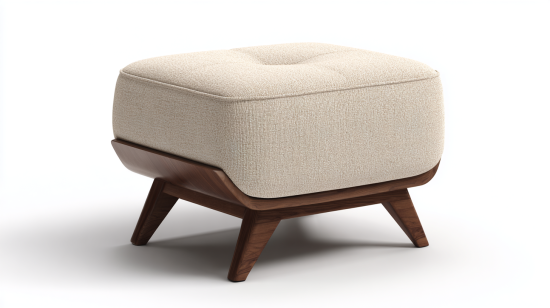
Ottoman-style cat couches function as footrests for humans with cushioned tops for cats. They’re sized appropriately for both uses—large enough to rest your feet but not so huge they dominate a room. Some designs feature hinged tops with storage inside, though I’d avoid this if your cat is possessive about their space.
Bench-style cat furniture incorporates human seating with cat lounging areas. These pieces sit at entryway or mudroom, providing you a place to sit while putting on shoes, with elevated cat platforms on either side or underneath. They’re particularly clever in small apartments where every piece of furniture needs multiple functions.
Modular cat furniture systems that integrate into bookshelves, entertainment centers, or wall units create cohesive living spaces. While not exactly couches, they include couch-like lounging platforms for cats amidst human storage and display space. The Scandinavian approach to space efficiency applied to pet furniture.
The appeal of dual-purpose furniture extends beyond space-saving. It normalizes cat furniture as home décor rather than segregating pet items as separate, often uglier, accessories. It also tends to be better constructed since it must satisfy human standards for durability and aesthetics.
Pricing for dual-purpose pieces typically exceeds traditional cat couches because you’re essentially buying two pieces of furniture. Budget $150-400 for quality options. However, if you’re replacing human furniture anyway, the incremental cost over a regular end table or ottoman might be minimal.
Training Your Cat to Embrace Their New Couch
Even the perfect cat couch isn’t useful if your cat won’t use it, which is why understanding how to train your cat to use their new furniture matters enormously.
Positive reinforcement is the foundation of any cat training. When your cat shows interest in their new couch—sniffing it, stepping on it, sitting near it—immediately reward them with treats, affection, or verbal praise. Cats learn through association; if couch interaction brings good things, they’ll repeat the behavior.
Catnip is your secret weapon for initially attracting cats to their couch. Sprinkle dried catnip on the cushion or rub a catnip toy across the fabric. About 70% of cats respond to catnip (it’s genetic), and for those who do, it creates powerful positive associations with the furniture. Professor Whiskers was catnip-pilled onto his couch during the first week.
Patience and avoidance of force cannot be overstated. Never physically place your cat on their couch and hold them there—this creates negative associations and resistance. Instead, create conditions that encourage voluntary exploration and adoption. Cats need to feel like it’s their idea.
Strategic placement near favorite spots increases usage likelihood. If your cat loves sitting in a sunny window spot, place their new couch in that sunshine. If they typically lounge near the kitchen where you prepare food, position the couch nearby. Work with their existing preferences rather than against them.
Making the couch smell like home accelerates acceptance. Rub a cloth on your cat’s face and cheeks (where scent glands are located), then wipe down the new couch. Place worn clothing or blankets on it initially. These familiar smells signal safety and belonging to your cat’s sensitive nose.
Gradual introduction works better than sudden appearance. Let the couch sit in its location for a day or two before actively encouraging use. Allow your cat to investigate on their own timeline. Some cats need time to assess new objects before accepting them.
Multiple short sessions of encouragement beat single long attempts. Spend 5-10 minutes twice daily guiding your cat toward the couch with treats or toys, then leave it alone. Pressure backfires with cats; gentle, repeated suggestion works.
Sizing Up: What Works for Multiple Cats
Households with multiple felines face unique challenges in choosing cat furniture, and selecting the right size cat couch for multiple cats requires strategic thinking.
The individual couch approach works well if you have space and budget. Providing each cat their own couch reduces conflict and gives everyone personal territory. My three-cat household friend went this route, placing couches in different rooms so each cat has their own domain. The key is variety—different styles help cats distinguish “their” couch from others’.
Extra-large or sofa-style cat furniture accommodates multiple cats on one piece. Couches measuring 30+ inches long provide enough space for two average cats to lounge simultaneously without touching (important for cats who tolerate but don’t cuddle each other). Look for designs with multiple cushions or sections that create subtle separations.
Vertical space integration supplements couch-style furniture when you have multiple cats. Combining a cat couch with nearby cat trees or wall-mounted shelves creates a complete territory with options for cats who prefer different elevations. Not all cats want ground-level furniture; some prefer height for security and visibility.
Monitoring dynamics between your cats guides furniture decisions. Cats who cuddle together can share a standard-sized couch happily. Cats who barely tolerate each other need separate furniture placed strategically so each cat has access to resources without forced proximity. Professor Whiskers lives solo, but I’ve observed enough multi-cat households to understand the complexity.
The addition method works well for uncertain situations. Start with one cat couch, observe usage patterns, then add furniture as needed. You might discover that only one cat claims the couch while others prefer beds or window perches. Don’t over-invest in couches before understanding your cats’ actual preferences.
L-shaped or sectional cat couches exist for multi-cat households wanting consolidated furniture. These larger pieces create separate seating areas while maintaining cohesion. They’re admittedly niche products with limited availability and higher prices, but they’re ideal solutions for the right situation.
Final Thoughts: Is a Cat Couch Worth It?
After months of research, multiple purchases, and countless hours watching Professor Whiskers lounge on various couches, my answer is unequivocally yes—cat couches are worth the investment for the right household.
They’ve protected my human furniture from destruction, provided my cat with dedicated territory that reduces stress, and honestly, they make me happy. There’s something deeply satisfying about seeing your cat contentedly sprawled on furniture designed specifically for them, looking like a tiny CEO on their miniature office couch.
The ideal cat couch buyer is someone whose cat already shows interest in human furniture, who values both functionality and aesthetics in pet products, and who’s willing to invest reasonably in cat happiness. If your cat ignores all elevated surfaces and only sleeps in cardboard boxes, a couch might be wasted money. But if your cat constantly claims your sofa, chair, or any furniture-like surface, a cat couch addresses that need directly.
The market has evolved tremendously, offering options for every budget, style preference, and cat personality. Whether you spend $20 on a cardboard couch or $400 on a designer piece, what matters is choosing thoughtfully based on your cat’s needs and your household reality.
My recommendation for first-time buyers: start mid-range ($50-100) with a simple, durable design from a reputable brand. Choose microfiber or canvas upholstery, ensure it has basic scratching surfaces, and place it strategically near your cat’s existing favorite spot. Give your cat time to adopt it naturally using the training techniques I’ve outlined.
If your cat loves it (and there’s a strong chance they will if you’ve chosen well), you’ve solved a problem while enhancing their environment. If they don’t, you’ve only invested moderately, and you can try a different style or repurpose the couch as human furniture—some of these pieces work perfectly as footstools or decorative accents.
The cat couch revolution isn’t just marketing hype. It’s a genuine evolution in understanding what cats want and how we can provide it while maintaining our own spaces. Our cats have domesticated us enough that we buy them miniature furniture, and honestly? That’s pretty great.
Professor Whiskers is currently sprawled on his mid-century modern couch, one leg hanging off the edge, looking absolutely ridiculous and perfectly content. Worth every penny.