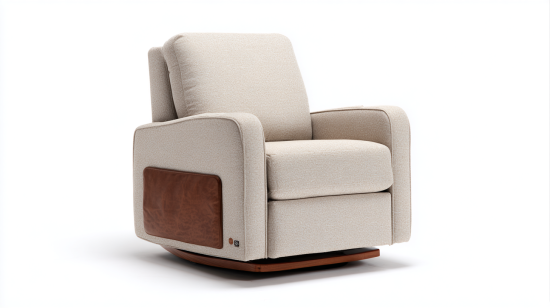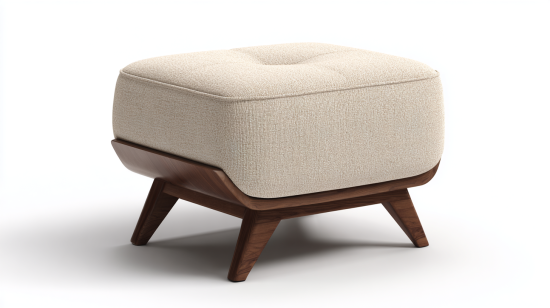


Welnow Lazy Chair with Ottoman, Modern Lounge Accent Chair with Armrests and a Side Pocket, Leisure Sofa Armchair, Reading Armchair with Footrest for Small Space, Dark Grey
- SOFT & COMFORTABLE: The lazy chair is made of soft and comfortable PP cotton. It is fluffy and full, long sitting without collapse. The durable polyester fabric cover can also withstand daily wear and tear, ensuring lasting use.
- LAZY CHAIR WITH OTTOMAN: The lounge chair is equipped with a footstool on which you can rest and enjoy the extremely comfortable seating experience. And, you can also place the stool next to the sofa and end table in the living room as a foot pedal to relax your feet, or you can place it in the hallway or doorway and sit on a small stool while you change your shoes. What’s more, the footstool can be quickly folded up for easy storage when not in use.
- ERGONOMIC ACCENT CHAIR: The curved backrest support ergonomically fits your back spine at the perfect angle. In addition, there is a side storage pocket for you to put books, cell phones and other items, reasonable storage and convenient
- STURDY & STABLE: The lazy sofa chair features the strong steel frame with powder spray coating. And it also has a middle tube to well support the whole chair. In addition, the lounge chair has a non-slip foot cover design, which not only protects your floor, but also enhances the overall stability, Allowing you to rest easily on it. Can hold up to 400lbs.
- MULTIPLE OCCASIONS: The cozy chair is an excellent choice for small Spaces, and it can be easily moved to the bedroom lounge area, living room, reading room, balcony and other places. The stylish design of this sofa chair can perfectly match your furniture and bring a modern feel to your home decor.
- EASY TO ASSEMBLE: The leisure chair has a simple structure, following the detailed and illustrated manual guidance, just need to put several parts together, requiring no screws or nuts. And the straps on the inside of the cover can be tied around the legs of the accent chair for a better hold
- CARE INSTRUCTION & AFTER-SALE: The lazy chair supports the removal and cleaning of the entire cover, and the cushion on the ottoman can also be removed and cleaned. In addition, we provide 3 years of quality assurance service, if you have any questions about our products, please contact us, we will reply within 24 hours and follow up until the problem is resolved.
$98.99

Chenille Oversized Armchair, 38.6″ Wide Accent Chairs for Living Room & Bedroom Modern Lounge Chair, Upholstered Mid-Century Reading Chair, Comfy Living Room Chair, Single Sofa Chair, Beige
- Modern Oversized Accent Chair: This comfy reading chair features a sleek, contemporary design with an arched backrest and curved armrests. Its clean lines and elegant shape blend seamlessly into any living room, bedroom, or study, adding a touch of sophistication to your space
- Sturdy and Long-Lasting: Crafted with a robust wooden and iron frame, this armchair ensures long-lasting durability and stability. The high-density foam padding in the backrest, armrests, and seat provides reliable support for daily use, making it a dependable choice for any home
- Perfect Size: Measuring 38.58″ W x 33.07″ D x 34.25″ H with a seat size of 20.5″ W x 20.5″ D, this modern accent chair accommodates various body types comfortably. It supports up to 400 lbs, offering a stable and spacious seating option for users
- Premium Materials: Upholstered in soft chenille fabric, this armchair features a foam-filled backrest and seat cushion made with high-density foam and quality springs. This combination enhances comfort and helps alleviate fatigue from prolonged sitting
- Easy Assembly: Oversized reading chair with clear instructions included, assembly takes just 5-10 minutes. If you have any post-purchase concerns, our customer service team is ready to respond within 24 hours
- Delivery Note: All components of the chair are packaged in one box. Please check that all parts are included upon delivery to ensure a complete assembly
$149.99

Sling Accent Chair for Living Room,Metal Framed Armchair with Shredded Foam Cushioning, Oversized Comfy Lounge Chair for Reading Rooms Bedrooms Lounge,Light Gray
- Contemporary Chic Design & Comfort:Featuring a sharp, modern silhouette and plush shredded foam cushions, this sling chair delivers unmatched comfort and style. Perfect for your living room, bedroom, office, or reading nook, it molds to your body for ultimate relaxation whether reading, watching TV, or lounging.
- Exceptional Sturdiness & Safety:Built with a reinforced curved steel frame supporting up to 300 lbs, this living room chairs ensures superior stability and safety. The smooth rounded edges minimize injury risks, offering a secure seating solution for both adults and children that’s built to last.
- Ergonomic & Spacious Lounging:Designed with extra-dept, 4.12-inch thick cushions, this oversized chair provides ample room to stretch and relax. Its ergonomic shape cradles your body, making it ideal for extended use—from gaming and reading to enjoying a coffee break.
- Lightweight & Versatile : Easy to move and reposition, this lightweight chair adapts to your needs—whether creating a sunny reading nook on the balcony or extra seating in the living room.
- Premium Fabric & Easy Maintenance:Crafted with durable, breathable linen fabric and corduroy, the chair offers easy cleaning and long-lasting appeal. The removable cushion covers are machine washable, ensuring effortless upkeep. Assembly is quick and hassle-free—be ready to use in under 15 minutes with included guides.
$86.99

VINGLI Lounge Chair, 56″ Oversized Reading Chair Corduroy Chaise Sofa Recliner Bed Upholstered Comfy Sleeper Couch with Throw Pillows and Armrests for Living Room, Movie Room, Bedroom
- Tips Before Purchasing–1.Oversized Chair comes in two packages; 2. Before purchasing, please kindly measure the space to ensure the chaise could be fitted into in case any unnecessary return occurs, which will cause a high return charge; 3. Dimension: 55.9″W×59.4″D×33.9″H. Load Capacity: 600lbs/272kgs.
- Oversized Comfort–56-inch wide lounge chair perfect for living rooms, movie rooms, bedrooms, and game rooms. Whether you’re reading, watching, napping, or playing games, this chair is your go-to for comfort and relaxation.
- Premium Corduroy Upholstery– Made with durable, soft corduroy fabric, this chair offers a luxurious feel while adding a stylish touch to your home decor.
- Extra Supportive Armrests–Equipped with ergonomic armrests and throw pillows for added comfort and support while reading, watching TV, or playing games.
- Easy to Assembl– Simple assembly process that takes just a few minutes, so you can start enjoying your new lounge chair right away.
$429.99

DUMOS Comfy Saucer Chairs Cozy Faux Fur Soft Lounge Cute Folding Bedroom Living Room Seat Flexible Reading Foldable Seating for Kids Adults Thick Padded Metal Frame Modern for Home Office Classic Gray
- [Easy To Fold & Store] This comfy lounge reading chair is designed with a foldable frame, allowing you to set it up or put it away in seconds. Perfect for small spaces, dorms, or apartments, it saves space when not in use.
- [Sturdy & Stable Frame] Built with a reinforced steel frame and wide base, the chair provides reliable support and long-lasting durability. Designed to hold up through daily lounging, reading, or relaxing.
- [Cloud-Like Comfort] The oversized cushion is thick, soft, and breathable, giving you the feeling of sitting on a fluffy cloud. Ideal for curling up with a book, watching TV, or simply unwinding after a long day.
- [Fits All Ages] With its roomy, ergonomic design, this saucer-style chair is suitable for teens, adults, and even college students. A versatile seating option for bedrooms, living rooms, or study corners.
- [Portable & Lightweight] Despite its sturdy build, the lounge chair is easy to move around the house. Whether you want it in your reading nook, bedroom, or balcony, you can place it anywhere with ease.
$82.99
From cramped corners to cozy sanctuaries—how I discovered the art of choosing the ideal reading throne
I’ll never forget the moment I realized my relationship with reading had fundamentally changed. It was a rainy Saturday afternoon, and I was hunched over on my rigid dining chair, neck craned at an awkward angle, trying to finish the last chapters of a gripping mystery novel. My back was screaming, my legs had gone numb, and somewhere around page 342, I had to admit defeat. I couldn’t even enjoy the plot twist I’d been anticipating for three hundred pages because I was too busy calculating whether permanent spinal damage was worth finishing the book.
That’s when I knew: I needed a comfy reading chair.
Not just any chair—a throne for bibliophiles, a sanctuary for story lovers, a place where I could lose myself in fictional worlds without my body staging a protest. But as I began my search, I quickly discovered that finding the perfect reading chair was like finding the perfect book: deeply personal, occasionally overwhelming, and absolutely worth the effort.
Over the past year, I’ve tested more chairs than I care to admit (my apartment briefly resembled a furniture showroom), consulted with interior designers, interviewed fellow book lovers, and yes, spent an embarrassing amount of time researching ergonomics. What I learned transformed not just my reading experience, but my entire approach to creating personal comfort spaces.
This is everything I wish someone had told me before I started my journey to find the perfect comfy reading chair.
What Makes a Chair Truly “Reading-Worthy”?
Before we dive into the specifics, let me share what I’ve learned about what actually constitutes a good reading chair. Because here’s the thing—not every comfortable chair is suitable for reading, and not every “reading chair” is actually comfortable.
A true comfy reading chair needs to support your body for extended periods, typically anywhere from thirty minutes to several hours (because let’s be honest, when you’re deep into a good book, time becomes irrelevant). What features make a chair a good reading chair? Through my extensive testing and countless hours curled up with novels, I’ve identified several non-negotiable elements.
First and foremost, proper back support is crucial. I learned this the hard way after spending three blissful hours in a gorgeous velvet chair that looked like it belonged in a Victorian library, only to discover the next morning that I couldn’t turn my head without wincing. A good reading chair should cradle your spine’s natural curve, providing lumbar support without forcing you into a rigid position.
The seat depth matters more than I ever imagined. If it’s too deep, you’ll find yourself constantly sliding forward or dealing with pressure behind your knees. Too shallow, and your thighs won’t be properly supported, leading to that pins-and-needles sensation that forces you to stand up and shake out your legs every twenty minutes. I’ve found that a seat depth between 20 to 24 inches works for most people, though this varies based on your height and leg length.
Armrests are a controversial topic among readers. Some people swear by them; others find them restrictive. I’m firmly in the pro-armrest camp, but with a caveat: they need to be at the right height and width. The ideal armrests should support your elbows comfortably when you’re holding a book, tablet, or e-reader, without forcing your shoulders up toward your ears. What is the ideal size for a comfy reading chair? This question becomes especially important when considering armrest placement and overall dimensions.
The Small Space Dilemma: Finding Comfort in Compact Dimensions
Living in a modest apartment, I faced what I call the “champagne taste, studio apartment budget” problem—not in terms of money, but space. I desperately wanted a plush, enveloping reading chair, but my living room could barely accommodate a coffee table without feeling like an obstacle course.
What is the best comfy reading chair for small spaces? This became my obsession for weeks. I measured, remeasured, and created embarrassingly detailed floor plans with painter’s tape to visualize different arrangements.
What I discovered is that small spaces don’t mean you have to sacrifice comfort—they just require smarter choices. Some of my favorite space-saving solutions include chairs with exposed legs that create a visual lightness, even if the chair itself is substantial. A chair that sits higher off the ground creates the illusion of more floor space and makes the room feel less cluttered.
Accent chairs designed with clean lines and a smaller footprint became my best friends. I found a mid-century modern inspired piece that measured just 28 inches wide but still provided exceptional comfort through clever cushioning and supportive design. The secret was in the seat angle and back recline—engineered to maximize comfort within minimal dimensions.
Corner chairs also deserve special mention for small spaces. These ingeniously designed pieces nestle into corners you’d otherwise waste, transforming dead space into your favorite reading nook. I tested one that came with a swivel base, which meant I could angle it toward natural light during the day or toward my reading lamp at night without having to physically move the chair.
Another space-saving trick I learned: consider multi-functional pieces. Some comfy reading chairs with storage or pockets incorporate clever storage solutions—side pockets for books and magazines, storage ottomans that double as footrests, or chairs with built-in side tables. These features eliminate the need for additional furniture pieces that eat up precious square footage.
The Material Question: What Your Chair Is Made Of Matters
I used to think material choice was purely aesthetic. Leather looked sophisticated, velvet felt luxurious, and fabric seemed practical—end of story. But after experiencing the sweaty-back phenomenon of sitting in a leather chair during summer, and the static-cling nightmare of certain synthetic fabrics, I realized what is the best material for a comfy reading chair is far more complex than simple appearance.
Let me break down what I’ve learned about different materials through actual experience:
Leather and Faux Leather: There’s an undeniable elegance to leather. It ages beautifully (the real stuff, anyway), cleans easily, and has that classic library aesthetic. However, leather can be cold in winter and sticky in summer unless you’re in a climate-controlled environment. I found that top-grain leather with a slight pebble texture offers better breathability than smooth leather. Faux leather has improved dramatically in recent years, but quality varies wildly. The cheaper versions start cracking and peeling within a year, while premium faux leather can last and look great for years.
Velvet: Oh, velvet. I fell hard for velvet reading chairs—that sumptuous texture, the way they catch the light, the instant coziness factor. But velvet requires commitment. It shows every crumb, attracts pet hair like a magnet, and can develop wear patterns where you sit most frequently. That said, performance velvet (a more durable, stain-resistant version) has been a game-changer. I have a reading chair in forest green performance velvet that’s survived coffee spills, cat claws, and countless reading marathons while still looking elegant.
Linen and Cotton Blends: These natural fabrics breathe beautifully, making them ideal for year-round comfort. They’re generally machine-washable (if you opt for removable covers), which is a huge plus for those of us prone to reading-while-snacking accidents. The downside? They wrinkle easily and can look rumpled rather than relaxed if not maintained properly. I’ve found that a cotton-linen-polyester blend offers the best of all worlds—natural comfort with added durability and wrinkle resistance.
Microfiber and Performance Fabrics: Initially, I dismissed these as “cheap” options, but modern performance fabrics have completely changed my perspective. They’re engineered to resist stains, repel liquid, and withstand heavy use while remaining soft to the touch. For a reading chair that sees daily use, this durability is invaluable. Plus, many performance fabrics now come in sophisticated colors and textures that rival natural materials.
The padding and cushioning material matters just as much as the upholstery. High-density foam maintains its shape and support over time, while cheaper foam compresses quickly, leaving you with a saggy chair within months. Memory foam offers excellent initial comfort but can feel too warm for extended sitting. I’ve found that a combination of high-density foam with a down or fiber topper provides both support and plushness—firm enough to maintain posture, soft enough to feel indulgent.
Navigating Styles: From Classic to Contemporary
One of my biggest surprises was discovering how much the design of a comfy reading chair impacts not just the aesthetics of a room, but the actual reading experience. Style and function aren’t separate considerations—they’re deeply intertwined.
Can I find a comfy reading chair with a modern design? Absolutely, and you don’t have to sacrifice comfort for contemporary aesthetics. Modern reading chairs have evolved far beyond the stiff, minimalist pieces that prioritized form over function. Today’s designers understand that clean lines and contemporary styling can coexist with ergonomic support and plush comfort.
I tested several modern designs during my search, and some stood out for brilliantly balancing style and substance. Scandinavian-inspired designs often feature gentle curves, natural wood tones, and streamlined silhouettes that look effortlessly chic while providing excellent support. The key is in the subtle details—a precisely angled back, carefully calculated seat pitch, and thoughtfully positioned armrests that appear minimal but deliver maximum comfort.
Mid-century modern remains hugely popular for reading chairs, and for good reason. Those iconic designs from the 1950s and 60s were created during a time when designers obsessed over both aesthetics and human ergonomics. The result? Chairs that look like art pieces but cradle your body beautifully. I have a mid-century inspired accent chair in my living room that guests consistently compliment—and then immediately sit in for the next hour, unable to resist its inviting comfort.
For those drawn to traditional aesthetics, wingback chairs remain the quintessential reading chair. Originally designed to shield readers from drafts while catching warmth from the fireplace, modern wingbacks have evolved while maintaining their classic appeal. I love how the high sides create a sense of enclosure—like a gentle hug that helps you focus on your book by subtly blocking out visual distractions from your peripheral vision.
How to style a comfy reading chair in a living room depends on your overall design scheme, but I’ve learned a few tricks that work across different styles. Position your chair near a window for natural light, but not so close that glare becomes an issue. Create a dedicated reading corner by pairing your chair with a side table for beverages and a good reading lamp. Layer in a throw blanket and a couple of accent pillows (but not so many that they become intrusive when you’re trying to settle in with a book).
The Budget Spectrum: What Does a Comfy Reading Chair Actually Cost?
Let’s talk money. How much does a comfy reading chair cost? When I started shopping, I was shocked by the range—from budget options under $200 to designer pieces exceeding $5,000. Where you land on this spectrum depends on multiple factors: materials, construction quality, brand reputation, and yes, how much marketing and overhead costs are built into the price.
Where can I find budget-friendly comfy reading chairs? Through my search, I discovered several strategies for finding quality without breaking the bank. Major furniture retailers often offer excellent value in the $300-$600 range, especially if you shop during sales events. I found a wonderfully comfortable chair during a Memorial Day sale that was originally $550, marked down to $385. It’s been my daily reading companion for eight months now, showing no signs of wear.
The mid-range market ($600-$1,500) offers the sweet spot for most buyers. Here you’ll find chairs with better construction, higher-quality materials, and often more customization options for fabric and finish. I tested chairs across this range and found that around $800-$1,000, you start seeing significant improvements in durability and comfort features like eight-way hand-tied springs, kiln-dried hardwood frames, and premium cushioning.
Luxury reading chairs ($1,500+) offer exceptional craftsmanship, premium materials, and often designer pedigrees. Are they worth it? That depends on your budget and priorities. I tested a $2,800 designer reading chair that was undeniably exquisite—buttery leather, impeccable stitching, sublime comfort. But I also found a $650 chair that provided 90% of the comfort at less than a quarter of the price. The law of diminishing returns definitely applies to reading chair shopping.
Where can I buy a comfy reading chair online? My research and personal experience revealed that online shopping for chairs requires strategy. Major furniture retailers with generous return policies (often 30-90 days) make online purchasing less risky. I bought two chairs online, tested them both for a few weeks, and returned the one I liked less. Yes, dealing with furniture returns is a hassle, but it’s worth it to ensure you’re truly happy with such an important purchase.
Don’t overlook direct-to-consumer brands that sell exclusively online. By cutting out showroom overhead, these companies often deliver quality comparable to much pricier traditional retailers. Just be sure to read reviews carefully, focusing on comments about long-term durability rather than just initial impressions.
Special Features That Make Reading Even Better
As I deepened my research, I discovered features I never knew I wanted—until I experienced them. These additions can transform a good reading chair into an exceptional one.
Are there comfy reading chairs with built-in footrests? Yes, and they’re glorious. Some chairs incorporate retractable footrests that tuck away when not in use, while others come with matching ottomans. I initially thought a footrest was an unnecessary luxury, but after trying one, I’m a complete convert. Elevating your feet improves circulation, reduces lower back strain, and allows you to settle more deeply into your reading session.
Can I use a recliner as a comfy reading chair? Absolutely, though not all recliners are created equal for reading. Traditional full-recline models can be too horizontal for comfortable reading—you end up craning your neck or holding the book at awkward angles. However, modern “Euro-style” recliners that offer more upright reclining positions are perfect for reading. I tested one that had infinite reclining positions, allowing me to fine-tune my angle until I found the perfect sweet spot between relaxed and alert.
Some advanced features I encountered during my search included:
Built-in USB charging ports (surprisingly useful for e-reader fans), swivel bases that let you rotate toward light sources or conversation without moving the entire chair, adjustable headrests for taller readers, and heat and massage functions (these felt excessive until I used them during a marathon reading session—suddenly they seemed essential).
Are there comfy reading chairs with storage or pockets? Many modern designs incorporate practical storage solutions. I found chairs with discreet side pockets perfect for holding books, magazines, reading glasses, and remote controls. Some ottomans open up for storage—ideal for stashing extra throw blankets or your ever-growing to-read pile.
The Ergonomic Advantage: Reading Without the Aches
My back problems were what initially launched my quest for the perfect reading chair, so what is the best comfy reading chair for back support became a crucial question. Through consultations with a physical therapist friend and extensive research into ergonomics, I learned that proper support involves multiple factors working together.
Are there ergonomic comfy reading chairs? The term “ergonomic” gets thrown around a lot in furniture marketing, but truly ergonomic chairs for reading share several characteristics. The backrest should support your spine’s natural S-curve, with particular attention to lumbar support. I found that chairs with adjustable lumbar pillows or built-in lumbar support allowed me to customize the fit to my specific back.
The seat angle matters tremendously. A slight backward tilt (about 5-10 degrees) helps distribute your weight and reduces pressure on your lower back. However, too much tilt and you’ll find yourself constantly readjusting to prevent sliding forward. The best reading chairs strike a careful balance.
Seat cushion firmness requires a Goldilocks approach—not too soft, not too firm, but just right. Too soft, and you sink into the chair, losing proper spinal alignment. Too firm, and you’ll feel like you’re perching rather than settling in. Medium-firm cushioning with a softer top layer provides support where you need it while still feeling plush.
What is the best comfy reading chair for back support? Based on my experience, chairs with high backs (preferably extending to at least mid-shoulder height) provide superior support for extended reading sessions. The high back gives you something to lean against when you want to straighten up and stretch, reducing the tendency to hunch forward over your book.
Brand Navigation: Who Makes the Best Reading Chairs?
What are the best brands for comfy reading chairs? This question led me down a fascinating rabbit hole of furniture manufacturers, from heritage brands with century-old reputations to innovative newcomers disrupting the market with direct-to-consumer models.
Traditional furniture brands like La-Z-Boy have been making comfortable chairs for generations, and their expertise shows. While they’re often associated with recliners, their accent chair lines include excellent reading chair options with proven durability. I tested several and was impressed by the build quality and comfort, though the styling can skew traditional.
Contemporary furniture brands like West Elm, CB2, and Article offer style-forward designs without sacrificing comfort. I found their mid-century and modern pieces particularly well-suited to creating inviting reading nooks that don’t scream “old lady’s sitting room” (not that there’s anything wrong with that aesthetic if it’s what you love).
Specialty ergonomic furniture companies like Herman Miller and Steelcase, known primarily for office furniture, have ventured into home furniture with impressive results. Their understanding of body mechanics translates well to reading chairs, though the aesthetic tends toward minimalist and modern.
Direct-to-consumer brands like Burrow, Interior Define, and Floyd have gained popularity by offering quality furniture at more accessible price points. Their reading chair options often feature modular designs and extensive customization, letting you choose everything from fabric to leg finish. I ordered a custom chair from one of these brands and was pleasantly surprised by the quality, though shipping took longer than traditional retailers.
Luxury brands like Restoration Hardware and Design Within Reach offer premium reading chairs with price tags to match. Are they worth it? If budget allows and you value exceptional materials and construction, possibly. I tested a few luxury options and found them undeniably comfortable and beautifully made, but whether they’re worth 3-4 times the price of mid-range alternatives is a personal decision.
Reading Chairs for Different Ages and Stages
During my research, I discovered that reading chairs aren’t one-size-fits-all, especially when considering different age groups and life stages.
Are there comfy reading chairs for kids or teens? Absolutely, and creating reading-friendly spaces for young people is crucial for fostering a love of books. Kids’ reading chairs need to be appropriately scaled—adult-sized chairs can be uncomfortable and even discourage reading for younger children who can’t properly rest their feet on the floor.
For children ages 3-8, small-scale upholstered chairs, bean bags, or floor cushions work wonderfully. I helped my sister set up a reading corner for my niece using a kid-sized wingback chair paired with a small bookshelf and soft lighting. At seven, she now gravitates to her reading chair naturally, and my sister credits the cozy setup with her daughter’s enthusiasm for independent reading.
Teens and tweens benefit from reading chairs that reflect their growing independence and developing style preferences. Gaming chairs, surprisingly, can work well for teen readers—they’re designed for extended sitting, offer excellent support, and come in designs that appeal to young people. Pod chairs or egg chairs create that sense of having a private space, which resonates with teenagers seeking independence while still being in the family living areas.
For older adults, reading chair considerations shift toward ease of use and accessibility. Chairs with higher seat heights make standing up easier for those with mobility issues. Lift chairs, which mechanically assist the user in standing, can be excellent reading chairs for seniors. Modern lift chairs have evolved beyond the clinical aesthetic of earlier models—many now look like attractive accent chairs with hidden mechanical benefits.
Care and Maintenance: Keeping Your Chair in Top Condition
After investing time, money, and effort into finding the perfect reading chair, you’ll want to keep it in excellent condition for years to come. How to clean and maintain a comfy reading chair became important to me once I realized I’d be spending countless hours in mine.
Regular maintenance starts with simple weekly vacuuming. I use a soft brush attachment to gently remove dust, crumbs, and debris from crevices and under cushions. This simple habit prevents dirt from working into the fabric fibers, keeping the chair looking fresher longer.
For upholstered chairs, immediate attention to spills is crucial. I learned this after letting a coffee spill sit for “just a minute” while I finished a chapter—that minute turned into ten, and the stain set in. Now I keep a dedicated cleaning cloth near my reading chair. For most spills, blotting (not rubbing) with a clean, slightly damp cloth works wonders.
Different materials require specific care approaches. Leather chairs benefit from conditioning every 6-12 months to prevent cracking and maintain suppleness. I use a leather conditioner recommended by the furniture manufacturer, applying it with a soft cloth in gentle circular motions.
Fabric chairs might benefit from professional cleaning every 1-2 years, depending on use. Some chairs come with removable, washable covers—a feature I now consider non-negotiable if I had to choose again. The ability to throw covers in the washing machine is invaluable for maintaining cleanliness and freshness.
Rotate cushions regularly if they’re reversible. This simple habit distributes wear evenly, preventing one side from developing permanent indentations. I flip and rotate my chair cushions every few months, extending their lifespan significantly.
Protect your chair from direct sunlight, which can fade fabrics and degrade materials over time. I learned this after my first reading chair developed noticeably lighter patches where afternoon sun hit it for several hours daily. Now I use sheer curtains to filter light during peak sun hours.
Understanding the Subtle Differences: Reading Chair vs. Lounge Chair
What is the difference between a comfy reading chair and a lounge chair? This question stumped me initially—aren’t they basically the same thing? Through experience, I’ve discovered crucial distinctions.
Lounge chairs are designed for relaxation in a more reclined position. They typically have a more laid-back angle, encouraging you to sink in and zone out. Reading chairs, while comfortable, maintain a more upright posture that keeps you alert and engaged with your book. The angle difference might be subtle—perhaps 5-10 degrees—but it significantly impacts your reading experience.
The seat depth and back height differ too. Lounge chairs often have deeper seats, designed for kicking back and stretching out. Reading chairs typically feature moderate seat depth that supports your thighs without forcing you to choose between back support and edge-of-seat perching.
Armrest height and positioning also distinguish the two. Reading chair armrests are typically designed to support your elbows at a comfortable height for holding a book or e-reader. Lounge chair armrests might be positioned differently, optimized for draping your arms rather than active support.
That said, there’s significant overlap, and many chairs successfully serve both purposes. My reading chair is also where I relax with a cup of tea when I’m not reading, where I chat with friends who visit, and where I occasionally drift off for afternoon naps. The best chairs are versatile enough to adapt to different needs while excelling at their primary purpose.
The Final Chapter: Making Your Decision
After months of research, testing, and far too many hours pondering the metaphysics of comfort, I finally chose my perfect comfy reading chair. It’s a mid-century modern inspired piece in dusty blue performance velvet, with a firm-but-plush seat, supportive back, perfectly positioned armrests, and an elegant silhouette that makes me happy every time I see it.
But here’s what I’ve learned: the perfect reading chair for me might not be perfect for you. Your ideal chair depends on your body dimensions, reading habits, design preferences, space constraints, and budget. The chair that cradles my 5’6″ frame might feel cramped for someone taller or too spacious for someone smaller. The firmness I love might feel too stiff for readers who prefer sinking into soft cushions.
Top-rated comfy reading chairs for 2025 represent incredible diversity in design, materials, and features. From classic wingbacks to modern swivel chairs, from budget-friendly finds to luxury investment pieces, there’s never been a better time to be a reader seeking the perfect throne.
How to choose the most comfortable reading chair ultimately comes down to understanding your specific needs and priorities. Consider these key factors: your physical comfort requirements (especially back support needs), your available space, your design aesthetic, your budget, and any special features that would enhance your reading experience.
My advice? Don’t rush the decision. If possible, test chairs in person, even if you ultimately buy online for a better price. Sit in them for at least 10-15 minutes—preferably with a book. Pay attention to how your body feels. Can you imagine spending hours in this chair? Does it support you where you need it? Can you easily get comfortable in different reading positions?
Read reviews, but take them with a grain of salt. One person’s “too firm” is another person’s “perfectly supportive.” Look for patterns in reviews rather than single opinions. If multiple people mention the same issue, take note.
Consider the long game. A reading chair should last years, even decades with proper care. Investing a bit more for quality construction and durable materials often pays off compared to replacing cheaper chairs every few years.
And finally, trust your instincts. When you find the right chair, you’ll know. You’ll settle into it and feel that particular kind of rightness—like coming home after a long journey, or opening a book you’ve been waiting to read for months.
My comfy reading chair has transformed my reading life. I read more now because reading is more comfortable. I finish more books because I’m not constantly interrupted by aches and the need to shift positions. I look forward to my reading time in a way I didn’t before, knowing I have a dedicated space that welcomes me, supports me, and helps me disappear into other worlds.
That dining chair that started this whole journey? I still have it, but now it’s just for dining. My reading chair—my perfectly imperfect, carefully chosen, deeply comfortable reading chair—that’s where the magic happens. That’s where I travel to Middle Earth, solve mysteries alongside brilliant detectives, fall in love with fictional characters, and explore ideas that change how I see the world.
All from the comfort of the most important piece of furniture I’ve ever purchased: my comfy reading chair.
Your perfect chair is out there, waiting for you. Armed with the knowledge from this guide, you’re ready to find it. Happy hunting, and even happier reading.