

Sweetcrispy 4ft Plastic Folding Table Outdoor Indoor Heavy Duty Portable Desk with Carrying Handle for Camping Picnic Party
- 【Portable and Convenient】This folding picnic table is designed for quick and easy folding, allowing you to set it up or pack it away in no time. It comes with a convenient carrying handle, making it easy to transport and store, perfect for outdoor activities such as camping, picnics, and gatherings.
- 【Stable and Sturdy】Our camping table features frame lock structures and coated support legs that ensure both aesthetic appeal and superior stability. It can safely support up to 300 lbs, providing with a reliable table for any occasion.
- 【Easy to Clean】Made from HDPE material, this plastic table is both water-resistant and abrasion-resistant. It’s easy to clean, ensuring that table stays in great condition whether you use it indoors or outdoors.
- 【Versatile Application】The Sweetcrispy foldable table is perfect for a variety of uses. Indoors, it can serve as a dining table, game table, and more. Outdoors, it’s ideal for camping, picnics, weddings, and other events.
- 【Simple assembly】This small folding table is pre-assembled, no additional accessories or tools are required, just attach the 4 support legs. It is easily unfolded and ready to use. When not in use, it folds up easily for storage, fitting neatly into any corner and helping you save valuable space.
$39.97

4 Feet Foldable Table Adjustable Height with Built in Handle, Steel Legs | 4FT Heavy Duty Portable | Perfect for Party Dining Wedding Events Picnic Indoor Outdoor Camping Utility Folding – 4 Foot
- ✅【 Foldable Design 】The tabletop of this table folds in half allowing you to easily carry and transport between locations using the built in handles. Once folded, the table can easily be stored in closets, under beds, or in your car trunk to use for later. Take it anywhere you need – from your living room to a campsite.
- ✅【 Versatile 】This folding table is the perfect choice if you need a table temporarily. Ideal for events, parties, cookouts, or dining, this foldable table can be quickly set up indoors or outdoors. Put a table cloth over it, and it instantly transforms into a modern display table for any occasion.
- ✅【 Adjustable Height 】Adjust the height of this table seemlessly between 20.5″ and 29″ with 4 button presses. Raise or lower the height of the table to fit your desired application whether to use as a kid’s table, display stand, or crafting station.
- ✅【 Heavy Duty Construction 】Made from heavy duty high density plastic, this table is durable enough to hold anything you place on its table top. Its metal frame is strong enough to support up to 300 lbs ensuring stability and long-lasting use.
- ✅【 Easy to Clean & No Tools Needed 】Its smooth surface makes cleaning a breeze. Easily wipe away any spills using a damp cloth. There are no tools required. Simply unfold and lock the legs into place in seconds.
$49.25

Folding Table 4 Foot Portable Heavy Duty Plastic Fold-in-Half Utility Table Small Indoor Outdoor Adjustable Height Folding with Carrying Handle, Camping and Party,White
- FOLDABLE AND PORTABLE: Byliable 4 ft small folding table can be folded in the middle, buckled with a safety buckle, very safe, easy to store. There is a comfortable handle of the table, which is more convenient to carry. Easily fits in the car trunk
- RUGGED AND STABLE: Made of high-density polyethylene (HDPE), thicker and harder, have better quality. The desktop of this 4 foot folding table is waterproof and not easy to scratch. The soft beveled radius edge is also designed for both comfort and safe
- STRONG SUPPORT: Powder-coated steel legs and gravity locks help to completely fix the table at any time and any place. In addition, our table legs are also equipped with non-slip foot covers, which can not only protect your floor but also prevent slipping
- PRACTICAL AND LIGHTWEIGHT: The folding table weights 18 pounds, the unfolded size is 48″ L x 24″ W x 29.5″ H; the folded size is 24″ L x 24″ W x 2.8″ H. It requires no assembly and sets up or folds away in minutes, comfortably seating 4-6 adults
- MULTI-PURPOSE: Very suitable for outdoor picnic or birthday party table, dining fold out table, barbecue portable table, game table, or as a display plastic folding table, study table or desk for indoor activities
$49.99

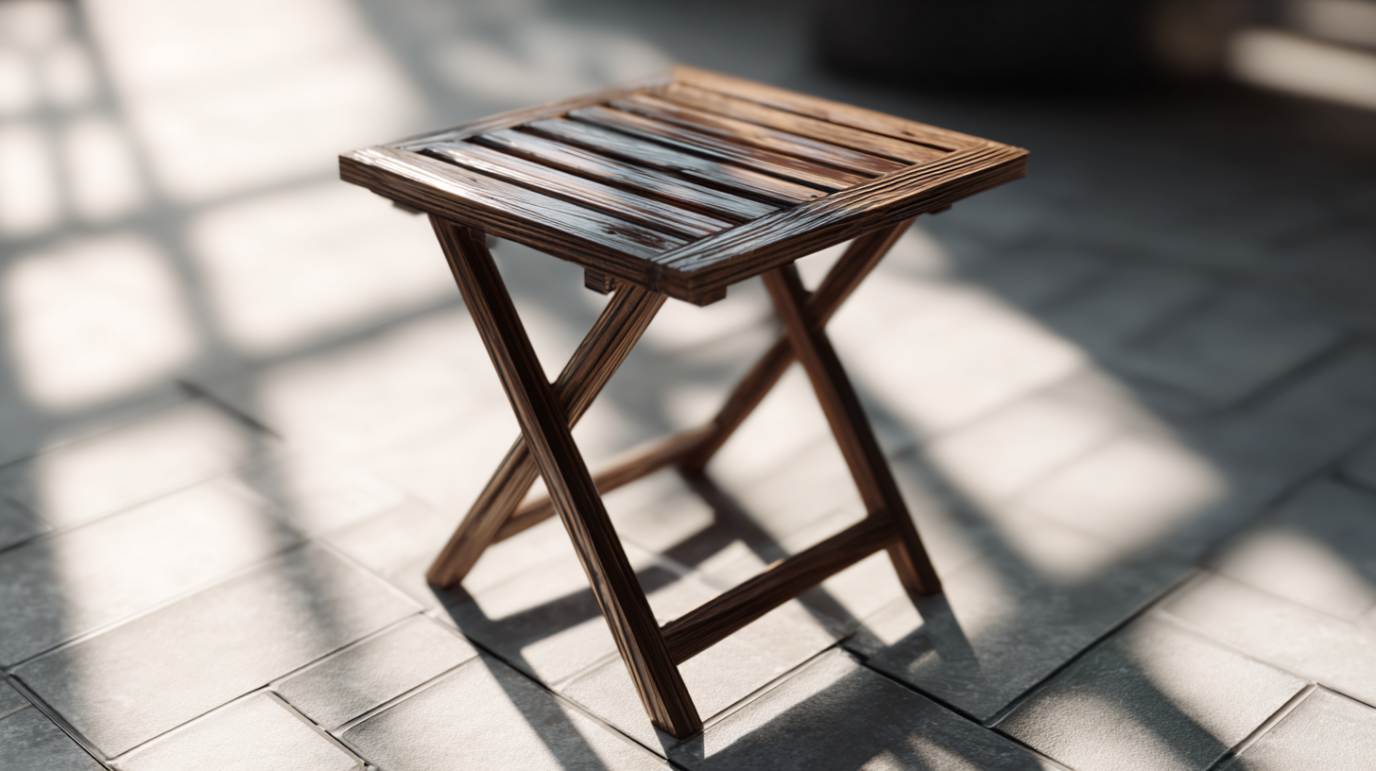
HOOBRO Folding TV Tray Table, Wooden TV Tray, Portable Sofa Side Table, Industrial Snack Table End Table for Small Spaces, Space-Saving, Easy to Install and Fold, Rustic Brown and Black BF27BZ01
- Bring Comfort to Your Life: This folding TV tray table in 15.7″L x 15.7″W x 26″H is conveniently designed for your food, drinks, tablets, laptops, enabling you to enjoy your favorite snacks, beverages and TV shows while lounging on the sofa or recliner
- Multiple Advantages: Don’t want the side table taking up too much space when not in use? This TV tray can easily be folded and stored under the sofa, freeing up more common space.When folded, the folding table is portable to be carried anywhere needed
- Premium Materials and Sturdy Construction: The sofa snack table is made of high-quality particleboard and sturdy iron pipes. The X-shaped structure and crossbars provide extra stability, ensuring secure use
- Industrial Style: The combination of rustic panels and black iron pipes perfectly blends with your existing furniture, transforming this industrial side table an useful and beautiful addition in your living room or bedroom as a home decoration
- Comprehensive Instructions: The sofa side table comes with detailed instructions, each part clearly labeled for easy reference to relevant assembly steps. And all necessary tools are included. It should take about 15 to 20 minutes to assemble it by yourself
$28.49

Winsome Alex Set of 2 Foldable Snack Tables, for Living Room, 26″, Natural
- Sturdy and stylish: The Alex 2-Pc Snack Table Set, Natural is crafted with a durable solid wood construction, ensuring long-lasting use.
- Elegant color finish: Featuring a natural finish that complements various home décor styles.
- Versatile functionality: Perfect for use in living rooms, bedrooms, or any space that needs a practical and aesthetic furniture piece.
- Easy assembly: Simple and hassle-free setup, so you can enjoy your new furniture right away.
- Compact and space-saving: Ideal for smaller spaces while providing essential functionality and design.
$35.49
Discovering How the Right Compact Table Transformed My Living Space and Why It Might Just Change Yours Too
I’ll never forget the moment I realized my apartment had officially become a maze of furniture. It was a Tuesday morning, and I’d just stubbed my toe on the corner of my coffee table for the third time that week while trying to reach my yoga mat. My 450-square-foot studio apartment in the city was bursting at the seams, and I knew something had to give. That’s when I stumbled upon the world of small foldable tables—and honestly, it changed everything about how I live.
Let me take you on this journey, because if you’re reading this, chances are you’re facing similar space challenges or you’re simply curious about whether these versatile pieces of furniture are worth the investment. Spoiler alert: they absolutely are, but only if you know what you’re looking for.
My Wake-Up Call: Why I Needed a Small Foldable Table
Living in a small space forces you to become creative. Every piece of furniture needs to earn its place, and anything that can’t multitask is basically dead weight. I’d been using a traditional desk that took up valuable floor space even when I wasn’t working. When friends came over, I’d awkwardly shuffle around it, trying to create seating arrangements that didn’t involve someone sitting on my bed or the kitchen counter.
That’s when I started researching small foldable tables. The concept seemed almost too good to be true—a functional surface that could disappear when not needed? I was skeptical at first, imagining flimsy card tables that would collapse under the weight of a laptop. But oh, how wrong I was.
What Exactly Makes a Small Foldable Table the Best Choice for Small Spaces?
After months of research and testing various models, I can confidently say that the best small foldable table for small spaces is one that balances several crucial factors: compact dimensions when folded, sturdy construction when deployed, and versatile functionality.
The winner in my book? It depends entirely on what you need it for. I ended up buying three different ones over the course of a year (yes, I got a bit obsessed), and each serves a distinct purpose in my life.
For my primary workspace, I chose a bamboo folding desk that measures 31 inches wide and 20 inches deep when open, but folds down to just 3 inches thick. It lives behind my bookshelf when not in use, and setting it up takes about fifteen seconds. The surface is large enough for my laptop, a notebook, and my morning coffee, but it doesn’t dominate the room like my old desk did.
For dining and entertaining, I invested in a slightly larger model—a round table with a 36-inch diameter that folds in half. When I have friends over, this baby can comfortably seat four people. When I’m alone, it stays folded and tucked in my closet. The transformation of my living space between “work mode” and “social mode” is now seamless.
The Hunt: Where Can I Buy a Small Foldable Table?
This was actually one of my biggest questions when I started my search. I’m the kind of person who likes to see and touch furniture before buying it, but I also appreciate the convenience and variety of online shopping.
I found small foldable tables available at a surprising range of retailers. Big-box stores like Target, Walmart, and IKEA carry decent budget-friendly options. I spent an entire Saturday afternoon wandering through IKEA, testing various models and imagining them in my space. The hands-on experience was invaluable—I discovered that some tables that looked perfect online felt wobbly or cheap in person.
For mid-range options with better build quality, I explored stores like West Elm, Crate & Barrel, and CB2. These retailers offered more stylish designs that could actually complement my decor rather than looking like temporary furniture.
Online marketplaces opened up even more possibilities. Amazon has an overwhelming selection, from ultra-budget options starting at around twenty dollars to premium models costing several hundred. Wayfair became my go-to for browsing different styles and reading customer reviews. I probably spent dozens of hours comparing specifications, reading reviews, and analyzing customer photos.
Specialty outdoor retailers like REI and Cabela’s stock camping-specific models that I’ll discuss more later. And surprisingly, office supply stores like Staples and Office Depot carry folding tables designed for workspace use.
One unconventional source I discovered was local furniture makers and craftspeople on Etsy. Some of the most beautiful, unique small foldable tables I encountered came from individual artisans who custom-built them. These were pricier, but the quality and craftsmanship were exceptional.
Built to Last: What Are the Most Durable Small Foldable Tables?
Durability was my primary concern after style and functionality. I’d heard horror stories from friends about cheap folding tables that lasted mere months before the hinges broke or the surface warped.
Through my research and personal experience, I learned that the most durable small foldable tables share several characteristics. First, they feature metal folding mechanisms rather than plastic. The hinges and brackets need to be thick steel or aluminum—anything less will eventually fail under regular use.
The frame material matters tremendously. Steel frames offer the best longevity, though they add weight. Aluminum provides an excellent balance of strength and portability. Wooden frames can be durable if properly constructed with quality joinery, but they require more maintenance.
Surface materials vary widely in durability. I’ve tested melamine, which is affordable and easy to clean but can chip at the edges. Solid wood surfaces are beautiful and durable but require protection from moisture and scratches. Bamboo has become my personal favorite—it’s sustainable, naturally antimicrobial, and remarkably resilient. High-pressure laminate offers excellent durability for outdoor use, resisting weather damage and UV exposure.
The brands that consistently produced the most durable models in my testing included Lifetime, which makes commercial-grade folding tables with high-density polyethylene tops and steel frames. These things are practically indestructible. GCI Outdoor makes camping tables that can withstand harsh conditions. For indoor use, Zinus and Winsome offer solid wooden options with good longevity.
I’ve been using my primary bamboo desk daily for over eighteen months now, folding and unfolding it at least once per day. The mechanism still operates smoothly, there’s no wobble, and the surface shows minimal wear. That’s the kind of durability worth paying for.
The Price Question: How Much Does a Small Foldable Table Cost?
Money was definitely a consideration in my search. I had a budget, but I also knew that buying cheap furniture often means buying twice.
Small foldable table costs span an enormous range. At the absolute bottom end, you can find basic plastic folding tables for fifteen to thirty dollars at discount stores. I bought one of these initially, thinking I’d save money. It lasted exactly six weeks before one of the legs buckled. Lesson learned.
The sweet spot for decent quality seems to be in the fifty to one-hundred-fifty-dollar range. This is where you’ll find well-constructed tables from reputable manufacturers, with metal frames and decent surface materials. My bamboo desk fell into this category at about ninety dollars, and it’s been worth every penny.
Premium models range from one hundred fifty to three hundred dollars. These typically feature superior materials, better engineering, and more attractive designs. My dining table cost about two hundred dollars, and while that seemed steep at first, the quality justified the price.
At the high end, custom or designer small foldable tables can cost three hundred dollars and up. I saw some absolutely gorgeous handcrafted pieces ranging from four hundred to seven hundred dollars. While beautiful, these exceeded what I felt I needed for a functional folding table.
Specialty camping tables occupy their own price category, ranging from forty to two hundred dollars depending on features like adjustable height, built-in storage, and ultra-lightweight materials.
My advice? Determine your budget but be willing to stretch it slightly for quality. A table that costs seventy dollars but lasts five years is a much better investment than one that costs thirty dollars and breaks in six months.
The Benefits That Changed My Life: Why Use a Small Foldable Table?
I could write an entire essay on the benefits of using a small foldable table, but let me share the ones that have genuinely improved my daily life.
Space efficiency is the obvious advantage, but until you experience it, you don’t realize how transformative it is. My apartment feels at least thirty percent larger now. I can do yoga in my living room without moving furniture. I can host dinner parties without my space feeling cramped. The psychological impact of having open floor space cannot be overstated.
Versatility has been a game-changer. My tables serve multiple purposes throughout the week. Monday through Friday, my desk table is a workspace. On weekends, it becomes a craft station for my watercolor painting hobby. My dining table transforms my apartment for entertaining, but it’s gone the rest of the time. I’ve even used my camping table as an impromptu bar setup for a party.
Portability matters more than I anticipated. I’ve taken my camping table to the park for outdoor lunches, to my parents’ house for holiday gatherings, and even to a friend’s apartment when she was moving and needed extra surface space. Try doing that with a traditional table.
Cost-effectiveness emerged as an unexpected benefit. Rather than buying separate furniture pieces for different purposes—a desk, a dining table, a craft station—I accomplished multiple goals with fewer pieces. This saved money and space simultaneously.
Adaptability to life changes proved valuable when my work situation shifted from full-time office work to hybrid remote work. I could easily adjust my living space to accommodate these changes without buying new furniture or moving apartments.
Material Matters: What Are Small Foldable Tables Made From?
Understanding materials helped me make informed choices, and I became somewhat of an amateur expert on materials used in small foldable tables.
Wood and wood composites create warm, attractive tables that fit well in home interiors. Solid hardwood tables are gorgeous but heavy and expensive. Bamboo offers sustainability and durability with less weight. Engineered wood products like MDF or particleboard reduce cost but sacrifice durability—I’d avoid these for anything you plan to use regularly.
Metal frames and surfaces provide maximum durability. Steel is strongest but heaviest. Aluminum offers excellent strength-to-weight ratio, perfect for portable tables. Stainless steel resists rust for outdoor use. Some tables feature powder-coated finishes that add color and protection.
Plastic and resin materials have improved dramatically in recent years. High-density polyethylene (HDPE) creates weather-resistant, easy-to-clean surfaces perfect for outdoor use or messy activities. However, plastic generally looks cheaper and less sophisticated than other materials.
Composite and laminate surfaces combine different materials for specific benefits. High-pressure laminate over a wood core gives you the look of wood with better moisture resistance. These work well for work surfaces that need to handle daily wear.
Fabric and mesh appear in specialized camping tables, creating ultra-lightweight options. These sacrifice surface sturdiness for portability—fine for camping but inadequate for home use.
The material choice dramatically affects weight, durability, appearance, and price. My bamboo desk weighs about fifteen pounds and looks great in my apartment. My camping table with an aluminum frame and fabric surface weighs just five pounds but wouldn’t work as a permanent desk.
Making the Right Choice: How to Choose the Right Small Foldable Table for My Needs
This is where I wish someone had given me a clear framework when I started my search. After trial and error, I developed my own system for choosing the right small foldable table.
Start with intended use. Be specific and honest. Will this be a daily workspace, an occasional dining table, a camping companion, or a multi-purpose utility surface? Your primary use case should drive every other decision.
Measure your space carefully. I cannot stress this enough. Measure the area where the table will be used when open AND where it will be stored when folded. I made the mistake of buying a table that fit perfectly in my room but was too wide to fit in my closet when folded. It ended up leaning awkwardly against a wall for weeks.
Consider weight capacity. Most tables list maximum weight capacity in specifications. For a desk, you need enough capacity for your computer equipment and potentially leaning on the table. For dining, account for dishes, food, and the possibility of someone accidentally putting too much weight on an edge. For camping, consider your cookware and supplies.
Evaluate stability. This was huge for me. Some folding tables wobble terribly, which is infuriating when you’re trying to work or eat. Look for tables with cross-bracing or reinforced leg structures. If possible, test the table in person by pressing down on corners and edges.
Assess the folding mechanism. It should be intuitive, smooth, and not require excessive force. I’ve encountered tables that required two people to fold and unfold—completely defeating the purpose. The mechanism should lock securely in both open and closed positions.
Think about aesthetics. Yes, it’s a practical piece of furniture, but you still have to look at it. Does it match your style? Will you be embarrassed when guests see it? Some small foldable tables now come in attractive designs that don’t scream “temporary furniture.”
Factor in storage thickness. When folded, how much space does the table occupy? A difference of two inches in thickness might determine whether it fits behind your couch or in your closet.
Read reviews extensively. I spent hours reading customer reviews, focusing on long-term users who reported on durability and daily use rather than just initial impressions.
From Desk to Dining: Can a Small Foldable Table Work as a Desk?
This question was paramount for me as someone who works from home regularly. The answer is a resounding yes, but with important caveats.
A small foldable table can absolutely be used as a desk, and I’ve been doing exactly that for over a year. However, success depends on choosing the right model and setting it up properly.
For desk use, you need adequate surface dimensions. I found that the minimum comfortable workspace requires about 30 inches of width and 20 inches of depth. This accommodates a laptop with room for a notebook or mouse. If you use an external monitor, you’ll need more width—closer to 40 inches.
Height is critical for desk ergonomics. Standard desk height is 28-30 inches. Most folding tables fall into this range, but verify before buying. I made the mistake of assuming all tables were desk height and ended up with one that was too tall, causing shoulder strain after just an hour of work.
Stability matters even more for desk use than for other applications. Your table will handle constant typing vibration, mouse movement, and potentially you leaning on it during video calls. I specifically sought tables with reinforced joints and cross-bracing. The wobble factor is real—if you’re video calling and your camera shakes every time you type, you look unprofessional.
The surface material should resist scratching and be easy to clean. I spilled coffee on my desk table within the first week. Bamboo cleaned up beautifully. Some materials would have stained permanently.
Cable management presents a challenge with folding tables. Traditional desks often have built-in cable channels or grommets. With my folding desk, I solved this using removable adhesive cable clips that I attach when the desk is set up and remove when folding it away.
Consider whether you’ll fold and unfold daily or leave the table set up for extended periods. I leave mine up all week and only fold it on weekends when I need space. If you’re folding daily, choose something ultra-lightweight and extremely easy to operate.
One unexpected benefit of using a folding table as a desk: it forces you to maintain a clean workspace. Since I fold it away regularly, I can’t accumulate clutter. This has actually improved my productivity and mental clarity.
Adventure-Ready: What Are the Best Small Foldable Tables for Camping?
My camping needs introduced me to a completely different category of folding tables. The best small foldable tables for camping prioritize portability and weather resistance over aesthetics.
For car camping, where weight is less critical, I use a table with an aluminum frame and a roll-up aluminum slat top. It weighs about eight pounds, sets up in under a minute, and provides a stable 24×16-inch surface. It’s large enough for my camping stove, preparation space, and dining when paired with a portable chair.
The key features I look for in camping tables differ from home-use models. Ultra-lightweight construction is paramount if you’re backpacking or have limited vehicle space. Tables using aluminum frames and fabric or mesh tops can weigh under three pounds. However, these sacrifice stability and surface rigidity.
Weather resistance is non-negotiable for camping. Your table needs to handle moisture, dirt, and temperature extremes. Materials like aluminum, treated steel, and high-density plastics work well. Avoid untreated wood or materials that rust.
Compact folded size matters tremendously when packing. The best camping tables fold or roll into packages measuring 20 inches or less in length and just a few inches in diameter. Some clever designs feature telescoping legs and roll-up surfaces that pack down incredibly small.
Quick setup becomes crucial when you’re tired from hiking or racing against darkness. Look for tables with minimal parts and intuitive assembly. The best designs pop open or unfold in seconds without requiring tools or complex instructions.
Adjustable height proves valuable for different camping situations. Some tables work as dining height, while others can lower to coffee table height for ground-level seating. I’ve found models with telescoping legs that adjust from 15 to 28 inches incredibly versatile.
Built-in storage appears in some camping tables—mesh pouches underneath or side pockets for utensils and supplies. While not essential, these features add convenience.
Specific brands excel in the camping category. GCI Outdoor makes my favorite car camping table. Helinox produces premium ultralight backpacking tables that cost more but weigh mere ounces. Coleman offers budget-friendly options that work well for casual camping.
Keeping It Clean: How to Maintain and Clean a Small Foldable Table
Maintenance became more important than I anticipated. Proper care extends the life of your table significantly, and I learned how to maintain and clean a small foldable table through both success and mistakes.
Regular cleaning varies by material. For my bamboo desk, I wipe it down weekly with a slightly damp cloth and a drop of mild soap. I never soak it or use harsh chemicals that could damage the finish. Once a month, I apply a thin coat of furniture oil to keep the bamboo from drying out.
For metal surfaces, I use glass cleaner or a mixture of water and vinegar. This removes fingerprints and gives a nice shine. For outdoor tables exposed to the elements, I occasionally use automotive wax to add a protective layer.
Plastic and resin tables are the most forgiving—they can handle stronger cleaners and more water. I’ve even used a magic eraser to remove scuff marks from my plastic camping table.
Mechanism maintenance is crucial. The hinges and joints need occasional attention to maintain smooth operation. Every few months, I apply a small amount of silicone lubricant to the moving parts. This prevents rust, reduces squeaking, and ensures easy folding. I avoid oil-based lubricants because they can attract dirt.
Storage conditions matter tremendously. When my tables are folded and stored, I keep them in a dry area. Moisture leads to rust on metal parts and mold on wooden surfaces. I learned this the hard way when I stored a table in my slightly damp basement, and it developed surface mildew.
For long-term storage, I wipe down the table completely, ensure it’s bone dry, and sometimes wrap it in an old sheet to protect against dust and scratches. This is especially important for camping tables that might sit unused for months between trips.
Damage prevention is easier than repair. I use coasters, placemats, or a desk pad to protect surfaces from scratches and water rings. When moving the table, I lift rather than drag it to prevent leg damage.
Periodic inspection helps catch problems early. Every month or so, I check for loose screws, damaged surfaces, or worn hinges. Tightening a screw takes seconds but can prevent a complete mechanism failure.
For bamboo and wood, avoiding direct sunlight prevents fading and drying. I position my desk away from windows, which has the added benefit of reducing screen glare anyway.
Height Flexibility: Are There Small Foldable Tables with Adjustable Heights?
This feature intrigued me because versatility is everything in small-space living. Yes, there are small foldable tables with adjustable heights, and they’re remarkably clever in design.
I tested several adjustable-height models, and they generally fall into two categories: tables with multiple preset height positions and tables with continuous height adjustment.
Preset height models typically offer two to four positions, often achieved through telescoping legs with pin-lock systems or legs with multiple notched positions. My camping table has three height settings: 12 inches for ground-level use, 19 inches as a coffee table, and 26 inches as a standard table. Changing height takes about thirty seconds per leg.
Continuous adjustment models use twist-lock mechanisms or lever-based systems that allow infinite height positioning within a range. These are more common in desk-style tables where precise ergonomic positioning matters. I’ve seen these range from about 20 inches to 35 inches in height, covering everything from floor seating to standing desk configuration.
The benefits of adjustable height are substantial. For dining and work, you can customize the table to your seating situation—standard chairs, floor cushions, or even standing. For camping, you can adapt to different terrain and seating arrangements. Some people even use these tables as improvised standing desks, raising them to 40+ inches for part of their workday.
The trade-offs include increased complexity (more parts that could fail), slightly reduced stability compared to fixed-height tables, and usually higher cost. My adjustable camping table cost about sixty percent more than a comparable fixed-height model.
Stability can be an issue with adjustable tables, especially at maximum height extension. The more a leg extends, the more potential for wobble. Quality models address this with reinforced joints and wider leg spreads, but physics still applies.
For most users, I’d say adjustable height is a nice-to-have rather than essential. However, if you have very specific ergonomic needs, use your table in varied situations, or want maximum versatility, the feature justifies the added cost.
Light as a Feather: What Are the Best Lightweight Small Foldable Tables?
Weight became a crucial factor for me once I started taking my tables to different locations. The best lightweight small foldable tables achieve remarkable portability without sacrificing too much functionality.
The lightest table I own weighs just 2.3 pounds. It’s a backpacking table with an aluminum frame and roll-up fabric surface. The entire thing packs into a bag the size of a water bottle. However, it’s only suitable for lightweight items—great for a camp stove or lightweight gear, but it wouldn’t support a laptop without significant flex.
For more practical home use, I found that small foldable tables weighing between 8-15 pounds offer the best balance. They’re light enough to move easily but substantial enough for stable daily use. My bamboo desk weighs 13 pounds, and I can easily carry it with one hand to set up or put away.
Materials dramatically affect weight. Aluminum frames are lighter than steel. Fabric tops are lighter than solid surfaces. Hollow metal legs weigh less than solid wood legs. However, lighter doesn’t always mean better—sometimes that extra weight provides stability and durability.
For camping and outdoor use, ultralight tables using carbon fiber frames and ripstop fabric surfaces push the boundaries of minimal weight. I’ve seen tables weighing under two pounds that pack smaller than a rolled newspaper. These command premium prices but are invaluable for backpacking where every ounce counts.
The lightest residential-style tables I’ve found use honeycomb cores in their surfaces—similar to hollow-core doors. These provide rigid surfaces without solid material throughout. A 30-inch diameter table might weigh only 7-8 pounds using this construction.
Consider your specific needs when prioritizing weight. If the table will live in one place and only move occasionally, a heavier, sturdier option makes sense. If you’ll transport it regularly or move it daily, lightweight becomes crucial.
I’ve learned that there’s a minimum practical weight for stability. Tables under about five pounds tend to be tippy and feel insubstantial during use. For most home applications, I recommend targeting the 10-15 pound range—portable enough to handle easily but substantial enough for confident use.
Assembly Made Simple: How to Assemble a Small Foldable Table
One of my biggest concerns before buying was complexity. I’m reasonably handy, but I didn’t want to spend an hour with an Allen wrench every time I needed a table. Fortunately, I discovered that assembling a small foldable table is typically straightforward.
Most quality folding tables come either pre-assembled or require minimal setup. My bamboo desk arrived fully assembled—I literally just unfolded it and was ready to use it. The entire “assembly” took five seconds.
Some tables require attaching legs to the tabletop. This typically involves:
- Laying the tabletop upside down on a flat surface
- Aligning the leg assembly with mounting holes on the underside
- Inserting screws or bolts through the holes
- Tightening with a screwdriver or Allen wrench
This process rarely takes more than 15-20 minutes even for someone without much experience. The key is following the instructions carefully and not overtightening, which can strip threads or crack materials.
Camping tables often use even simpler assembly. Many feature frames that unfold like scissor lifts, with the tabletop folding out or rolling open. Some use a pop-up mechanism similar to camping chairs. Once you understand the mechanism, setup takes literal seconds.
I learned several assembly tips through experience:
Read instructions completely before starting. I know, revolutionary advice, but I’ve watched friends struggle because they skipped steps or missed important details.
Organize hardware. Lay out all screws, bolts, and washers before beginning. It’s frustrating to discover you used the wrong screws halfway through assembly.
Don’t fully tighten until everything is in place. Leave screws slightly loose, align everything perfectly, then do a final tightening. This prevents binding and ensures proper alignment.
Check for level. After assembly, place the table on a flat surface and check for wobble. Some tables have adjustable feet that can compensate for minor inconsistencies.
Test the folding mechanism. Before loading up your new table with stuff, practice folding and unfolding it a few times. Make sure you understand how it works and that everything operates smoothly.
For my camping table, I practiced the setup at home several times before taking it on a trip. This familiarization meant I could set it up quickly at the campsite without fumbling with unfamiliar mechanisms.
The best small foldable tables require zero tools for regular use. You should be able to fold and unfold them without any assistance beyond your hands.
Dinner for Four: Can I Use a Small Foldable Table for Dining?
This was actually my initial motivation for exploring folding tables. I love hosting dinners but lacked space for a permanent dining table. My experience confirmed that yes, a small foldable table can absolutely be used for dining, and it’s been perfect for my lifestyle.
My dining table is a 36-inch round folding model that comfortably seats four people. When set up with a tablecloth, nice place settings, and proper lighting, guests often don’t realize it’s a folding table. The stigma of “cheap folding furniture” has been overcome by modern designs that look intentionally minimalist rather than makeshift.
For dining use, certain features become essential. Stability is paramount. A wobbly table ruins the dining experience and risks spills. I specifically chose a table with a reinforced center support and wide leg stance. Even when someone bumps the table or leans on it while reaching for food, it barely moves.
Surface material matters for dining. It needs to resist heat from serving dishes, wipe clean easily, and ideally look attractive. My table has a laminated wood-grain surface that looks great and cleans up easily after meals. I use trivets for hot dishes to prevent any potential heat damage.
Height should match standard dining table height—typically 28-30 inches. This allows comfortable use with standard dining chairs. I paired my table with folding chairs that also store compactly, creating a complete dining solution that disappears when not needed.
Size considerations depend on your entertaining style. A 30-inch diameter or 30×30-inch square table comfortably seats two to three people. For four people, I recommend at least 36 inches diameter or a 36×36-inch square. For six people, you’ll need 48 inches or more—though at that point, portability becomes challenged.
I’ve hosted dinner parties where the food quality and atmosphere mattered far more than the fact that the table folded up afterward. Proper linens, nice dishes, and good lighting make any table feel elegant.
One clever approach I’ve adopted: I set up the table an hour before guests arrive, dress it nicely, and dim the lights slightly. By the time people arrive, the table is just “the dining table”—its folding capability never enters their minds.
For everyday meals when I’m eating alone, I sometimes use my smaller desk table with a placemat. This flexibility is exactly what makes small foldable tables so valuable in small-space living.
Weather Warriors: What Are the Best Small Foldable Tables for Outdoor Use?
My love for outdoor gatherings led me to explore dedicated outdoor tables. The best small foldable tables for outdoor use differ significantly from their indoor counterparts.
Outdoor tables must withstand moisture, UV exposure, temperature extremes, and rough handling. I learned this when I tried using an indoor table at a picnic and ended up with water damage to the wooden surface.
For my patio and outdoor entertaining, I invested in a table with a high-density polyethylene (HDPE) surface and powder-coated steel frame. It’s weatherproof, doesn’t fade in sunlight, and cleans easily with just a hose. I’ve left it set up outdoors for weeks at a time without issues.
The best outdoor materials include:
HDPE plastic for surfaces—it’s impact-resistant, doesn’t absorb moisture, and handles UV exposure without fading or becoming brittle.
Powder-coated aluminum or steel for frames—the coating protects against rust while maintaining structural strength. Pure aluminum doesn’t rust but costs more.
Marine-grade treated wood for those wanting natural aesthetics—though this requires more maintenance and costs significantly more.
Tempered glass tops on some premium outdoor tables—these look elegant and clean easily but add weight and require careful handling.
Features specific to outdoor use include:
Drainage holes or mesh surfaces that don’t collect water, preventing pooling during rain.
UV-resistant finishes that prevent fading and material degradation from sun exposure.
Textured surfaces that provide grip even when wet, preventing dishes from sliding.
Rust-proof hardware including stainless steel screws and joints that won’t corrode.
I use my outdoor table for patio dining, as a serving station during barbecues, and even as a potting bench for my container garden. It’s survived countless rain showers, intense summer sun, and even being knocked over during a windstorm (my fault for not anchoring it properly).
For beach use, I have a separate ultra-lightweight aluminum table with a roll-up surface. Sand would destroy anything with complex folding mechanisms or crevices where grit could accumulate. This simple design brushes clean easily.
One lesson learned: even weather-resistant tables last longer with some protection. When I know I won’t use my outdoor table for weeks, I cover it with a furniture cover or store it in my garage. This extends its life significantly compared to year-round exposure.
Green Choices: Are There Eco-Friendly Small Foldable Table Options?
As someone who tries to make environmentally conscious purchases, I investigated eco-friendly small foldable table options. I was pleased to discover several sustainable choices.
Bamboo tables like my primary desk represent excellent eco-friendly options. Bamboo grows incredibly fast—some species mature in just 3-5 years compared to decades for hardwood trees. It requires minimal pesticides and naturally regenerates from its root system without replanting. The bamboo table I use is FSC-certified, ensuring it came from responsibly managed forests.
Reclaimed wood tables offer another sustainable option. I found several small furniture makers creating beautiful folding tables from reclaimed barn wood, old pallets, and salvaged lumber. These pieces have unique character and prevent usable wood from ending up in landfills. The patina and history visible in the wood grain makes each piece truly one-of-a-kind.
Recycled plastic tables, particularly those made from post-consumer recycled materials, turn plastic waste into functional furniture. Some manufacturers now produce outdoor folding tables from 100% recycled HDPE plastic. While not always the most aesthetically pleasing option, they’re incredibly durable and truly circular in their material use.
Aluminum tables, while requiring energy-intensive initial production, are highly recyclable at end-of-life. Aluminum can be recycled indefinitely without degradation, giving it strong environmental credentials for long-term sustainability.
Some companies focus on sustainable production processes beyond just materials. I found brands using water-based finishes instead of solvent-based coatings, minimizing VOC emissions. Others power their facilities with renewable energy or offset their carbon footprint through verified programs.
Durability itself is an eco-friendly feature. A table that lasts ten years has far less environmental impact than one that lasts two years and gets replaced five times. This makes quality an environmental consideration, not just a practical one.
I also considered the full lifecycle impact. Locally made tables reduce transportation emissions. Tables that can be repaired rather than replaced reduce waste. Simple designs without complex hardware are easier to recycle at end-of-life.
For the truly eco-conscious, vintage folding tables found at thrift stores or estate sales represent the most sustainable option—giving existing furniture new life rather than consuming any new resources.
Weight Capacity: What Can Your Table Actually Handle?
Understanding weight capacity saved me from several potential disasters. Most manufacturers specify maximum weight capacity, but real-world use is more nuanced than a single number.
My bamboo desk is rated for 110 pounds of evenly distributed weight. That sounds like plenty for a laptop, monitor, and office supplies—and it is. However, I learned that weight distribution matters tremendously. Placing all the weight on one corner or edge significantly stresses the structure differently than spreading it across the entire surface.
Typical weight capacities for small foldable tables range from 25 pounds for ultralight camping tables to 300+ pounds for heavy-duty commercial models. My dining table handles up to 150 pounds, which comfortably accommodates dishes, food, and diners leaning on it during meals.
I conducted my own informal weight tests (safely, with gradual load increases) because I wanted to understand the real-world limits. My desk table started showing slight flex at around 80 pounds concentrated in the center, though it remained stable. Distributed weight up to the rated capacity felt completely solid.
For camping tables, capacity varies wildly. My ultralight backpacking table maxes out at 15 pounds—enough for a camp stove and some gear but nothing more. My car camping table handles 60 pounds easily.
Consider what you’ll actually place on the table. A laptop weighs 3-6 pounds. A monitor adds 10-20 pounds. Books and supplies might add another 10-15 pounds. For dining, plates, serving dishes, and food for four people might total 40-60 pounds.
Factor in dynamic loading—the additional stress from movement, impacts, and occasional excessive weight. Someone bumping into the table, a child leaning on it, or accidentally dropping something creates momentary forces beyond static weight.
I apply a personal safety factor, never loading a table beyond 70-75% of its rated capacity for regular use. This provides a margin for unexpected stresses and extends the table’s lifespan.
Tables with reinforced centers, cross-bracing, and quality locking mechanisms handle weight better than minimalist designs. The geometry of the leg structure affects weight distribution—tables with legs positioned near the corners handle edge loads better than center-pedestal designs.
Style Matters: Are There Stylish Small Foldable Tables for Modern Interiors?
I refused to sacrifice aesthetics for functionality, and I’m thrilled to report that there are stylish small foldable tables that work beautifully in modern interiors.
The folding furniture stigma has largely disappeared. Contemporary designers have created models that look intentionally minimalist rather than temporary. Clean lines, quality materials, and thoughtful proportions make modern folding tables indistinguishable from permanent furniture when set up.
My bamboo desk exemplifies this evolution. The natural bamboo grain provides warmth and texture. The matte finish looks sophisticated. The hardware is minimal and hidden when the table is open. Several guests have complimented it without realizing it folds.
Scandinavian-inspired designs dominate the stylish folding table market. Light woods, simple geometries, and functional elegance characterize these pieces. Brands like Muuto and Normann Copenhagen offer folding tables that double as design objects.
Industrial styles use metal frames with wood or concrete-look surfaces. These work beautifully in loft spaces or modern apartments. The exposed metal becomes a design feature rather than something to hide.
Mid-century modern influences appear in folding tables with tapered legs, warm wood tones, and vintage-inspired hardware. These pieces bridge retro aesthetics with contemporary functionality.
For ultra-modern spaces, I’ve seen gorgeous tables with glass tops and chrome frames, acrylic construction that provides transparency, and even tables with integrated LED lighting for dramatic effect.
Color options have expanded beyond basic brown and black. I’ve seen folding tables in soft pastels, bold primary colors, and sophisticated grays that coordinate with contemporary color palettes.
Some designers treat the folding mechanism as a design feature rather than something to disguise. Visible hinges in brushed metal, sculptural leg structures, and innovative folding patterns become aesthetic elements.
For those prioritizing aesthetics, custom or semi-custom options allow specification of exact finishes, dimensions, and details. I’ve seen stunning custom folding tables with hand-rubbed oil finishes, leather insets, and artistic details that rival gallery-quality furniture.
The key is choosing a table whose design aligns with your overall aesthetic. A camping table might be functional but looks out of place in a carefully designed living room. However, a well-chosen folding table can enhance your interior design while providing practical flexibility.
Repair and Maintenance: How to Fix a Broken Small Foldable Table
Unfortunately, I’ve had to learn how to repair a broken small foldable table through firsthand experience. Despite choosing quality tables, problems occasionally occur.
The most common issue I encountered was a loose hinge. After months of daily folding and unfolding, one of the hinges on my desk developed play, causing wobble. The fix was surprisingly simple: I tightened the mounting screws using a screwdriver. The screws had gradually loosened through repeated stress cycles. Now I check and tighten all hardware every few months as preventive maintenance.
For a stripped screw hole in wood, I used a classic repair technique: I removed the screw, inserted toothpicks coated with wood glue into the hole, let them dry overnight, then trimmed them flush and reinserted the screw. The wood fibers from the toothpicks gave the screw something to grip again.
A minor crack in my bamboo tabletop happened when I accidentally dropped a heavy book on it. I repaired it using wood filler matched to the bamboo color, then carefully sanded and refinished the area. The repair is barely visible and hasn’t grown or affected functionality.
A bent leg on my camping table resulted from someone stepping on it while folded. Metal legs can sometimes be carefully bent back into shape using leverage and patience. However, if a metal leg is severely bent or cracked, replacement is the only safe option. I contacted the manufacturer, and they sold me a replacement leg for about fifteen dollars.
For tables with broken plastic components—clips, corner brackets, or feet—check if the manufacturer sells replacement parts. Many quality brands make common wear items available. If not, creative solutions using hardware store components sometimes work. I’ve replaced broken plastic feet with rubber furniture pads that actually worked better than the originals.
Finish damage like scratches or water marks can be addressed depending on the surface material. For wood and bamboo, furniture markers, wax sticks, or refinishing damaged areas restore appearance. For laminate, matching paint pens or vinyl patches can hide minor damage.
The folding mechanism itself rarely breaks on quality tables, but if it does, repair is often difficult. Complex hinge assemblies may require complete replacement. This is one reason I recommend buying from reputable manufacturers—replacement parts and repair services are available if needed.
Sometimes, repair isn’t worth it. If a table is severely damaged, structurally compromised, or repair costs approach replacement cost, buying new makes more sense. However, many minor issues are easily fixable, significantly extending the table’s useful life.
Prevention beats repair. Using tables within their weight capacity, avoiding rough handling, keeping hardware tight, and protecting surfaces from damage prevents most problems.
Brand Names That Deliver: Popular Brands for Small Foldable Tables
Through my research and personal experience, I’ve identified the most popular brands for small foldable tables that consistently deliver quality.
Lifetime makes commercial-grade folding tables known for durability. Their tables feature HDPE surfaces and steel frames built to withstand heavy use. They’re not the most stylish, but if you need a table that will survive years of hard use, Lifetime is hard to beat. Prices are mid-range, offering excellent value.
Cosco produces budget-friendly folding tables available at most big-box stores. Quality is decent for the price, though not premium. These work well for occasional use or situations where appearance isn’t critical. I’ve had mixed experiences—some held up fine, others developed issues quickly.
Zinus offers modern styling at reasonable prices. Their tables work well for home use, with better aesthetics than typical commercial folding tables. The bamboo desk I use is a Zinus product, and I’ve been impressed with its quality and design.
GCI Outdoor specializes in camping and outdoor furniture. Their folding tables are engineered for portability and durability in harsh conditions. If you need a camping table, GCI is a top choice. Their products cost more than budget brands but provide significantly better performance.
Helinox creates ultralight camping furniture for backpackers willing to pay premium prices. Their tables weigh mere ounces through innovative materials and engineering. If weight is your primary concern and budget is flexible, Helinox is the gold standard.
Coleman is synonymous with camping gear. Their folding tables offer solid performance at reasonable prices. They’re not cutting-edge in design or materials but reliably perform basic functions well.
Lifetime Products (different from just “Lifetime”) makes outdoor furniture including folding tables. Their products target the outdoor living market with weather-resistant designs.
Winsome produces wooden furniture including folding tables. Their products emphasize traditional styling and solid wood construction. For those wanting a folding table that looks like real furniture, Winsome merits consideration.
Office Star makes commercial furniture including folding tables for office use. Their products prioritize durability and functionality over style but offer good value for workspace applications.
For custom or artisan options, I discovered amazing work from individual craftspeople on Etsy and at local furniture shows. These tables cost more but offer unique designs and superior craftsmanship.
Brand reputation matters, but it’s not everything. I’ve found excellent tables from lesser-known brands and disappointing products from established names. Reading specific product reviews remains crucial regardless of brand.
My Final Thoughts: Was It All Worth It?
After over a year of living with small foldable tables, I can’t imagine going back to traditional fixed furniture in my small space. These pieces have genuinely transformed how I use my apartment.
The flexibility they provide is liberating. I can reconfigure my living space in minutes to accommodate different activities and needs. Work mode, dinner party mode, yoga mode, crafting mode—all are possible in the same space.
The space savings are real and measurable. I’ve gained back at least 30 square feet of floor space by eliminating my bulky permanent desk and never owning a traditional dining table. In a small apartment, that’s equivalent to an entire additional room in terms of usability.
The versatility surprised me. I purchased these tables thinking they’d serve specific single purposes, but they’ve proven adaptable to uses I never anticipated. My dining table has been a sewing station, gift-wrapping station, puzzle table, and game night surface. My desk has been a art station, laptop workstation, and serving surface for parties.
Quality matters tremendously. The cheap tables I initially tried were frustrating and short-lived. Investing in well-made small foldable tables from reputable manufacturers or craftspeople paid off in durability, stability, and satisfaction.
The stigma around folding furniture is outdated. Modern designs prove that temporary doesn’t mean cheap-looking. Several guests have been shocked to learn my tables fold—they simply look like intentionally minimal furniture.
For anyone living in a small space, frequently rearranging furniture, or needing versatile surfaces, I cannot recommend small foldable tables strongly enough. They’re not perfect for everyone—if you have abundant space and consistent furniture needs, permanent pieces make sense. But for the rest of us navigating spatial constraints and changing needs, folding tables offer an elegant solution.
My advice if you’re considering making the purchase: Define your primary use case clearly. Measure your space carefully. Prioritize quality over initial cost savings. Test stability in person if possible. Read extensive reviews. And don’t hesitate to invest in a good table—it’s a purchase that will genuinely improve your daily life.
The best small foldable table isn’t the cheapest, the lightest, or the most expensive. It’s the one that perfectly matches your specific needs, fits your space, and provides reliable functionality day after day. For me, that meant three different tables serving different purposes. For you, it might be a single versatile model or an entirely different configuration.
These simple pieces of furniture have taught me that smart design and thoughtful purchasing can overcome spatial limitations. You don’t need a bigger apartment to live well—you need furniture that works as hard as you do, adapting to your life rather than constraining it.
If you’re tired of bumping into furniture, longing for more open space, or simply looking for ways to make your living situation more flexible, give small foldable tables serious consideration. They might just change how you think about furniture, space, and possibility in your home.